
Battery Anxiety May Have Been Overhyped
Not long ago, online forums were full of sceptics warning that electric vehicles would suffer the same fate as a three‑year‑old smartphone — with batteries degrading rapidly and cars becoming useless. But a new study suggests those fears were exaggerated. Thanks to advances in battery technology, EV longevity is turning out to be far better than expected.
The Study: 1,300 Cars Put to the Test
Swedish used‑car broker Kvdbil analyzed data from 1,366 vehicles — 723 EVs and 643 plug‑in hybrids — to see how their batteries had aged. The results were striking: eight out of ten cars retained 90% or more of their original battery capacity.
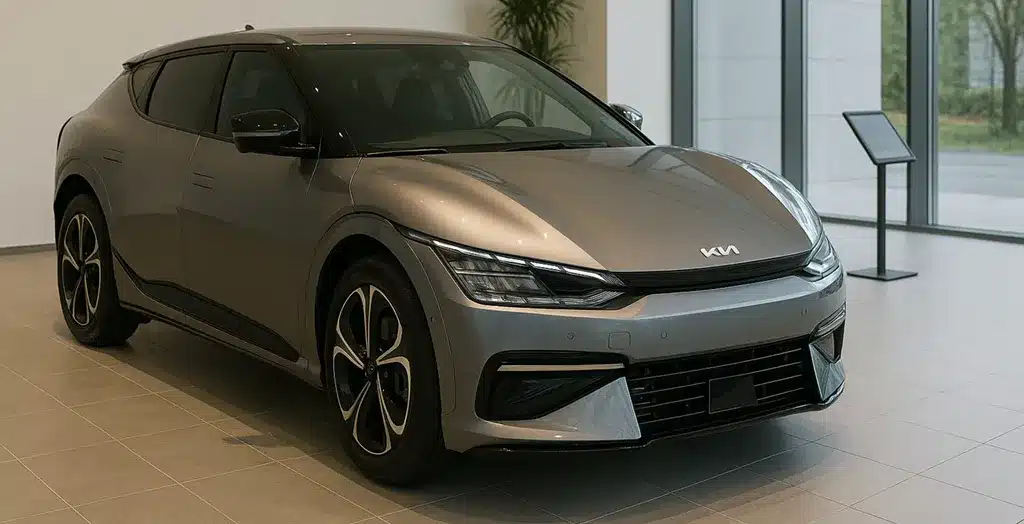
Leading the pack was the Kia EV6, which showed the least degradation of all models tested. Close behind was the Kia e‑Niro, further cementing Kia’s reputation for strong battery performance.
What Is State of Health (SoH)?
The study measured State of Health (SoH) — essentially how much usable capacity a battery has lost over time. The findings were almost anticlimactic, but in the best way possible: EV batteries are performing significantly better in real‑world conditions than many engineers had predicted.
Martin Reinholdsson, Kvdbil’s test manager, admitted the team was surprised by the results. He explained that battery health is less about the manufacturer and more about usage and environment. Factors such as age, climate, driving style, and charging habits play a bigger role in wear than brand alone.
Top 10 EVs and PHEVs for Battery Health
The study ranked the best performers across brands, EVs, and plug‑in hybrids:
- Kia EV6 / Kia Sportage
- Kia e‑Niro / Kia Optima
- Tesla Model Y / Volvo XC60
- Opel Mokka‑e / Kia Ceed
- Mazda MX‑30 / Volvo V60
- Audi Q4 e‑tron / Peugeot 3008
- Fiat 500e / BMW 530e
- Volvo XC40 Recharge / VW Passat GTE
- Citroën e‑C4 / BMW X1
- Volkswagen ID.4 / BMW 330e
Practical Advice for EV Owners
Reinholdsson’s recommendations echo familiar best practices:
- Avoid charging past 80% regularly (especially for non‑LFP batteries).
- Limit fast‑charging when possible.
- Steer clear of charging in extreme temperatures.
- Don’t leave your car fully charged for long periods.
Comparing Studies: Consistent Results
Interestingly, Kvdbil’s findings of an average 10% capacity loss match a separate study by UK EV dealer RSEV earlier this year. That research showed cars retained 90% of their battery capacity after 90,000 miles, with degradation slowing after the first couple of years.
Even vehicles with 130,000 miles still held around 85% capacity, and examples exist of cars surpassing 200,000–300,000 miles while maintaining 80% or more.
The Bigger Picture
As EVs age, it’s becoming clear that the old fear of batteries quickly becoming unusable is fading. Replacement costs are falling, recycling options are expanding, and real‑world data shows batteries lasting far longer than many expected.
The Kia EV6 may have topped the charts, but the broader message is even more encouraging: battery degradation isn’t the deal‑breaker sceptics once claimed.

