
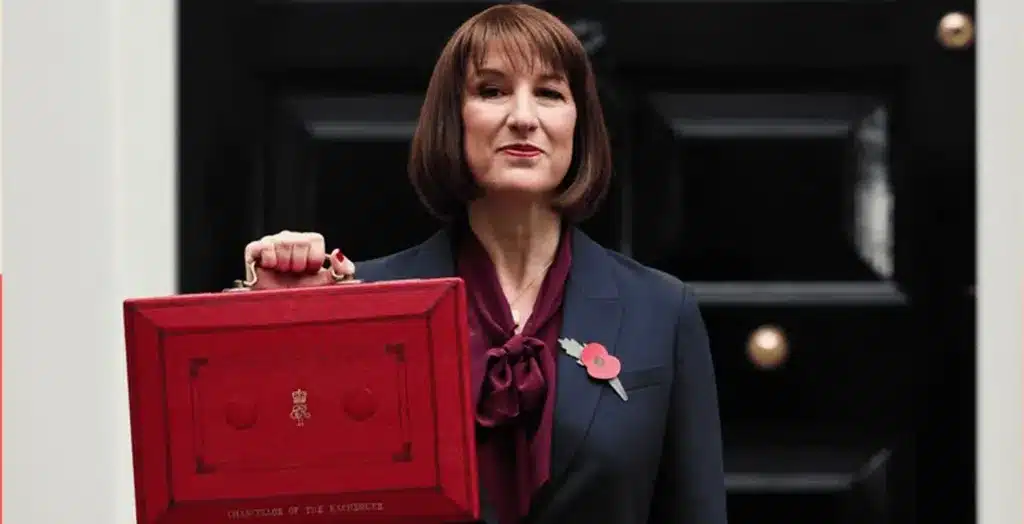
The Autumn Budget 2025 brought several announcements that will directly affect drivers, from a new mileage‑based tax on electric cars to a short‑term freeze in fuel duty. Chancellor Rachel Reeves outlined measures that balance revenue generation with incentives for motorists, particularly those considering the switch to electric.
Mileage-Based Tax for EVs
From April 2028, electric and plug‑in hybrid car drivers will face a mileage‑based charge, known as eVED. Battery electric cars will be taxed at 3p per mile, while plug‑in hybrids will pay 1.5p per mile during the 2028–2029 financial year. Vans, trucks, and motorcycles will initially be exempt.
The Office for Budget Responsibility (OBR) estimates that an EV driver covering 8,500 miles would pay around £255 annually, roughly half the rate of fuel duty paid by petrol and diesel drivers. Mileage will be self‑reported, with checks carried out during MOTs or annual inspections for newer cars.
The Treasury expects the scheme to raise £1.1 billion in its first year, rising to £1.9 billion by 2030. However, the OBR warns the tax could dampen demand, predicting 440,000 fewer EV sales over five years. Incentives such as raising the threshold for the Expensive Car Supplement are expected to offset this by around 320,000 vehicles.
This follows April’s introduction of road tax for zero‑emission vehicles, ending their long‑standing exemption from Vehicle Excise Duty.
Fuel Duty Freeze — For Now
Fuel duty will remain frozen until September 2026, keeping in place the 5p cut introduced in 2022. After that, the discount will be phased out, with duty rising in line with the Retail Prices Index (RPI) from April 2027.
Fuel duty has been frozen for 16 consecutive years, costing the government an estimated £120 billion in lost revenue.
RAC head of policy Simon Williams welcomed the short‑term relief, noting it saves drivers “more than £3 a tank.” But he warned the benefit will be short‑lived once increases begin. He also highlighted the upcoming Fuel Finder tool, launching in early 2026, which will require all petrol stations to report prices — helping motorists find the cheapest fuel locally.
Luxury Car Tax Threshold Raised for EVs
To soften the impact of the mileage‑based charge, the Chancellor announced changes to the Expensive Car Supplement (ECS), often referred to as the “Luxury Car Tax.”
Currently applied to cars priced above £40,000, the ECS adds £425 per year for five years on top of standard rates. From April 2026, the threshold for electric cars will rise to £50,000, meaning more buyers will avoid the surcharge. Petrol, diesel, and hybrid models will continue to face the lower £40,000 limit.
The government also confirmed an extra £300 million in funding for the UK’s Electric Car Grant, extending discounts of up to £3,750 on eligible EVs until 2030.
EV Charging Costs Under Review
Public charging prices have risen sharply in recent years, prompting a government review. Beginning in early 2026, the review will examine the impact of energy costs, VAT (currently 20%), and National Grid connection fees, with recommendations expected later that year.
To support infrastructure, an additional £200 million will be invested to help the UK reach its target of 300,000 chargepoints by 2030. Funding will also support home and workplace charger installations.
Businesses operating EV chargers will benefit from 100% business rate relief for 10 years, ensuring costs aren’t passed on to consumers.
What This Means for Drivers
The Autumn Budget 2025 signals a shift toward balancing EV incentives with new revenue streams. While the mileage‑based tax may raise costs for electric drivers, measures such as the higher luxury car threshold, extended grants, and charging infrastructure investment aim to keep EV adoption attractive.
For petrol and diesel motorists, the fuel duty freeze offers short‑term relief, but rising costs are on the horizon. Overall, the Budget reflects the government’s attempt to manage the transition to cleaner transport while maintaining fiscal stability.

