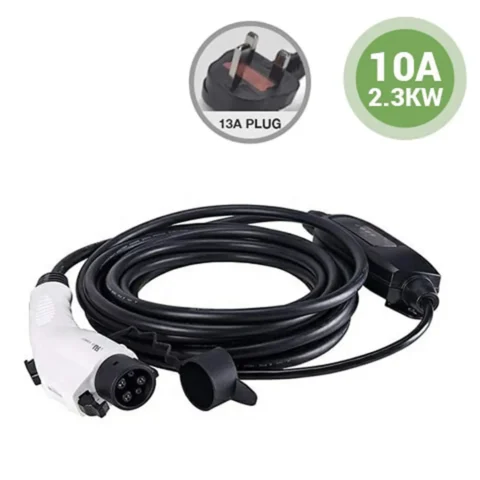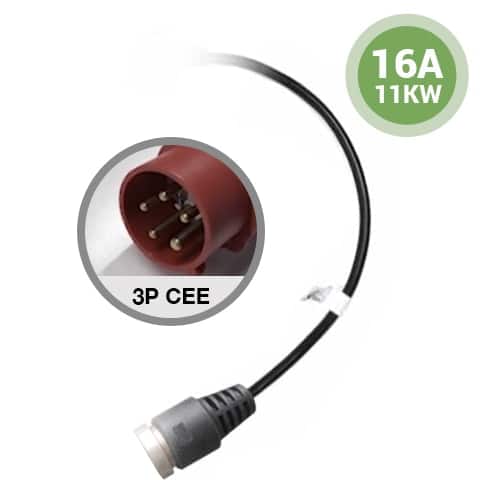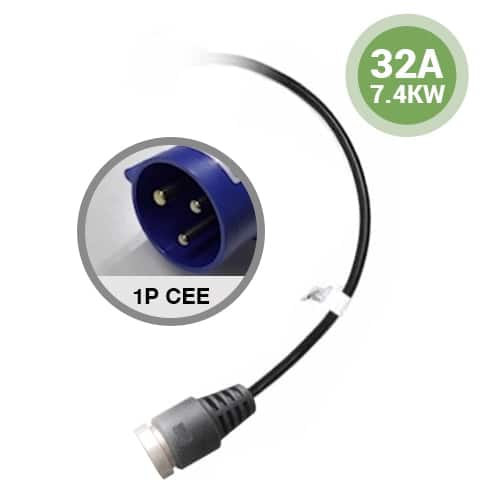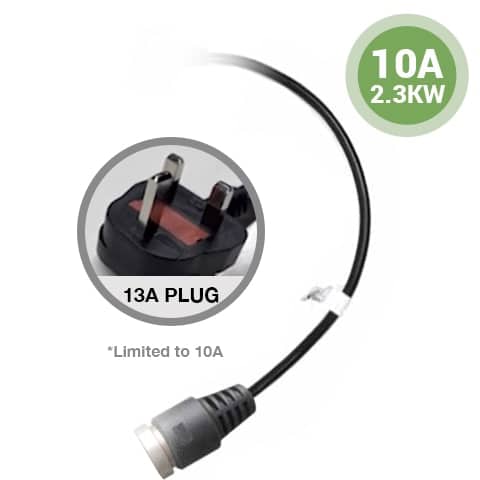

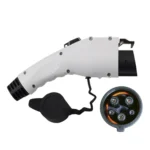


If Your Vehicle Has A Type 1 Socket, Then This 3 Pin Charger Will Be Compatible
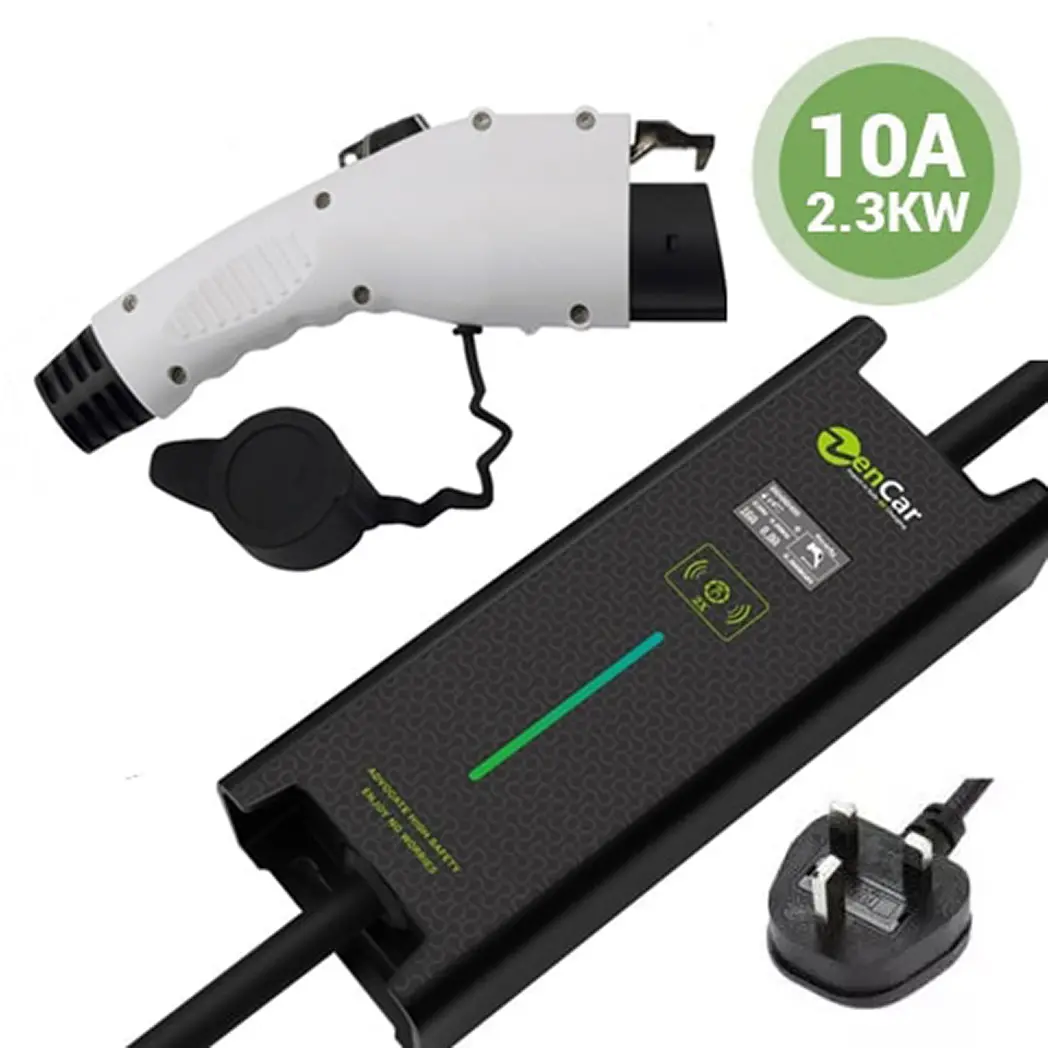
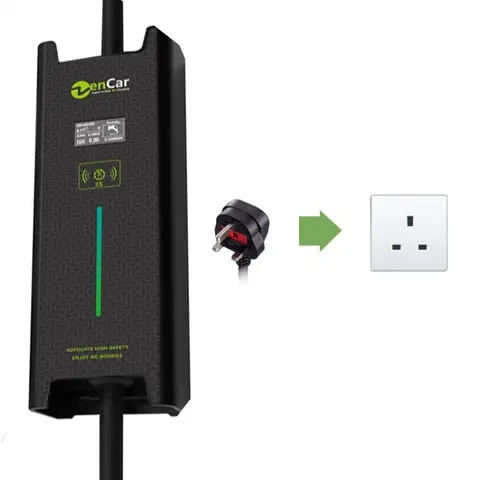
This Type 1 to 3 pin charger can charge an EV up to 10A, which equates to around 2.3kW. It is ideally suited as a backup charging device for your PHEV / BEV. We recommend that an electrician checks that your 13A socket is suitable for EV charging.
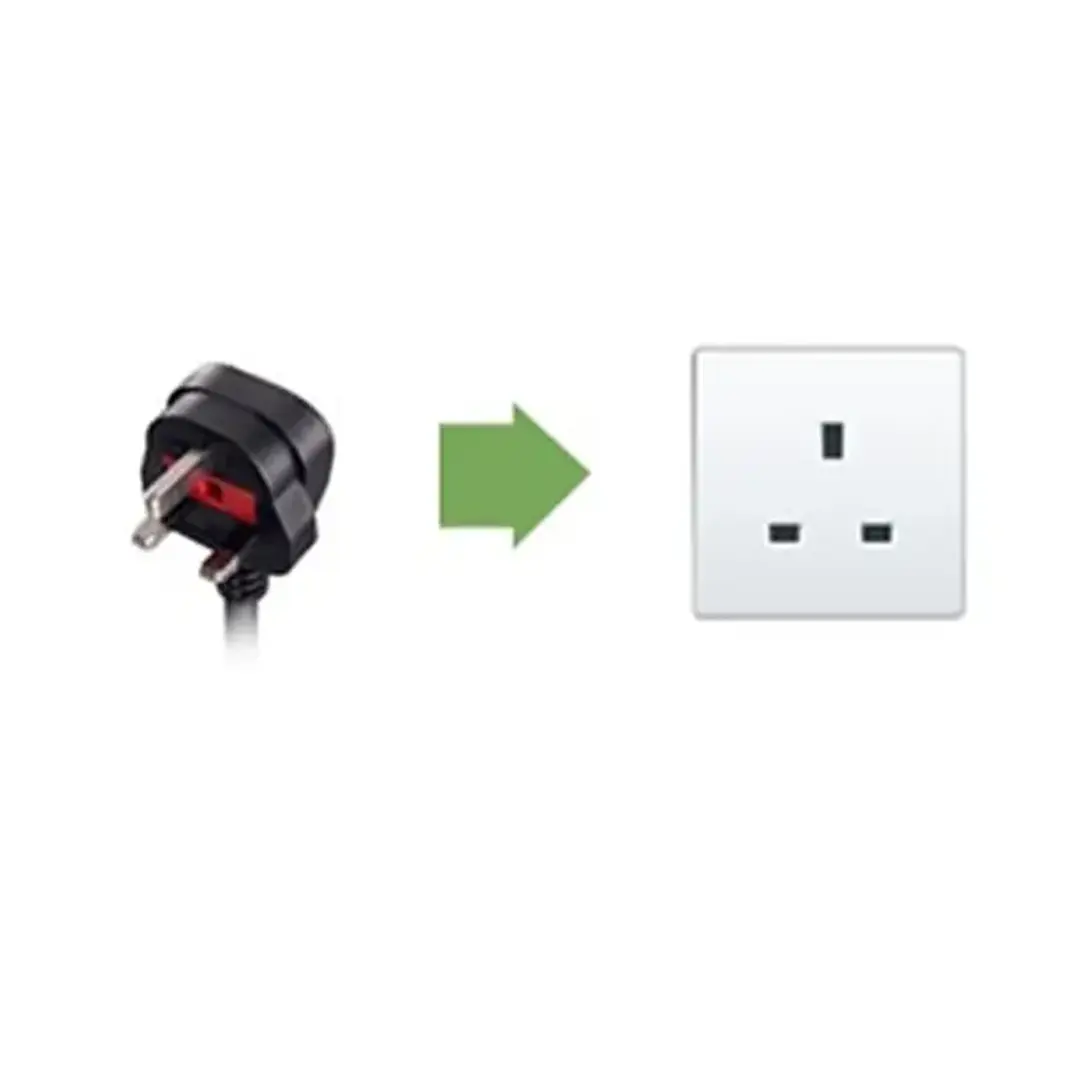
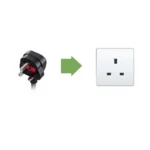
Plug this charger into a 13A socket and charge your EV at 10A. Adjusting the charger’s current to 6A, 8A, and 10A, enables compatibility with sockets requiring less than 10A. This feature therefore allows connection to solar panels/PV systems.
Being able to reduce the charging current reduces the heat stress on a mains socket. This is important if a 13A socket lacks a dedicated circuit connection. Or where the circuit and socket haven’t been certified for EV charging by a qualified electrician.
This Type 1 to 3 pin charger also has a timer, enabling charging to start from 1 to 10 hours after plugging in.
Is This Type 1 Charger Suitable For My EV / PHEV?
Choosing The Right Charger
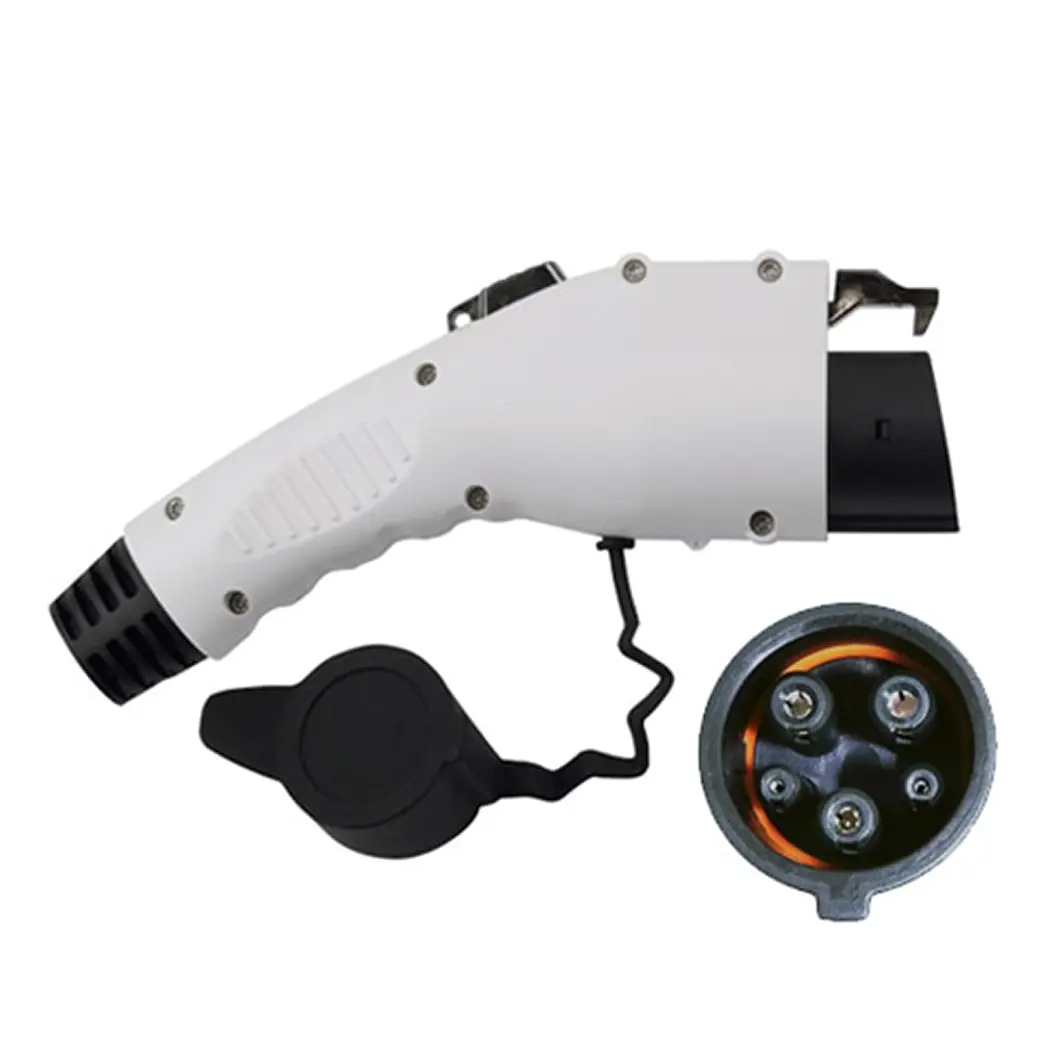
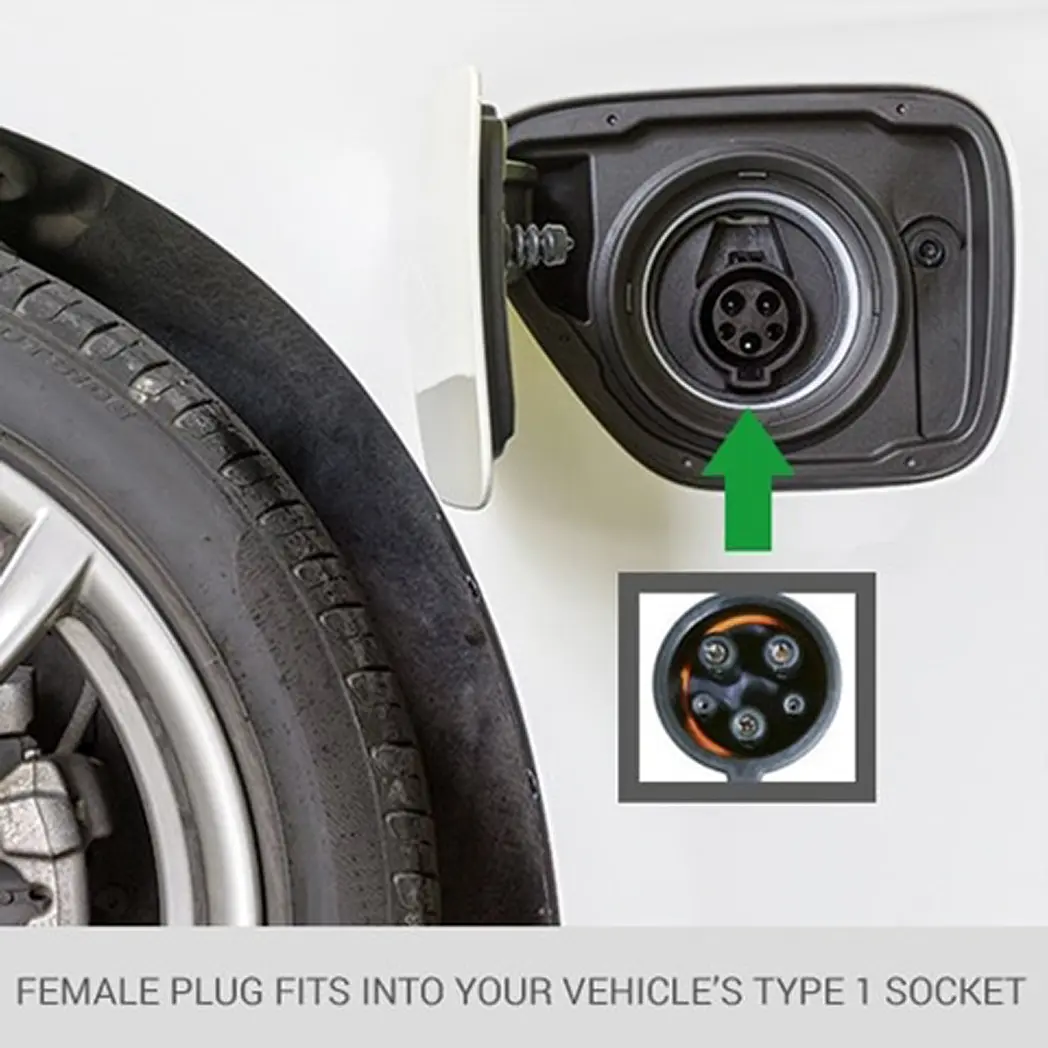
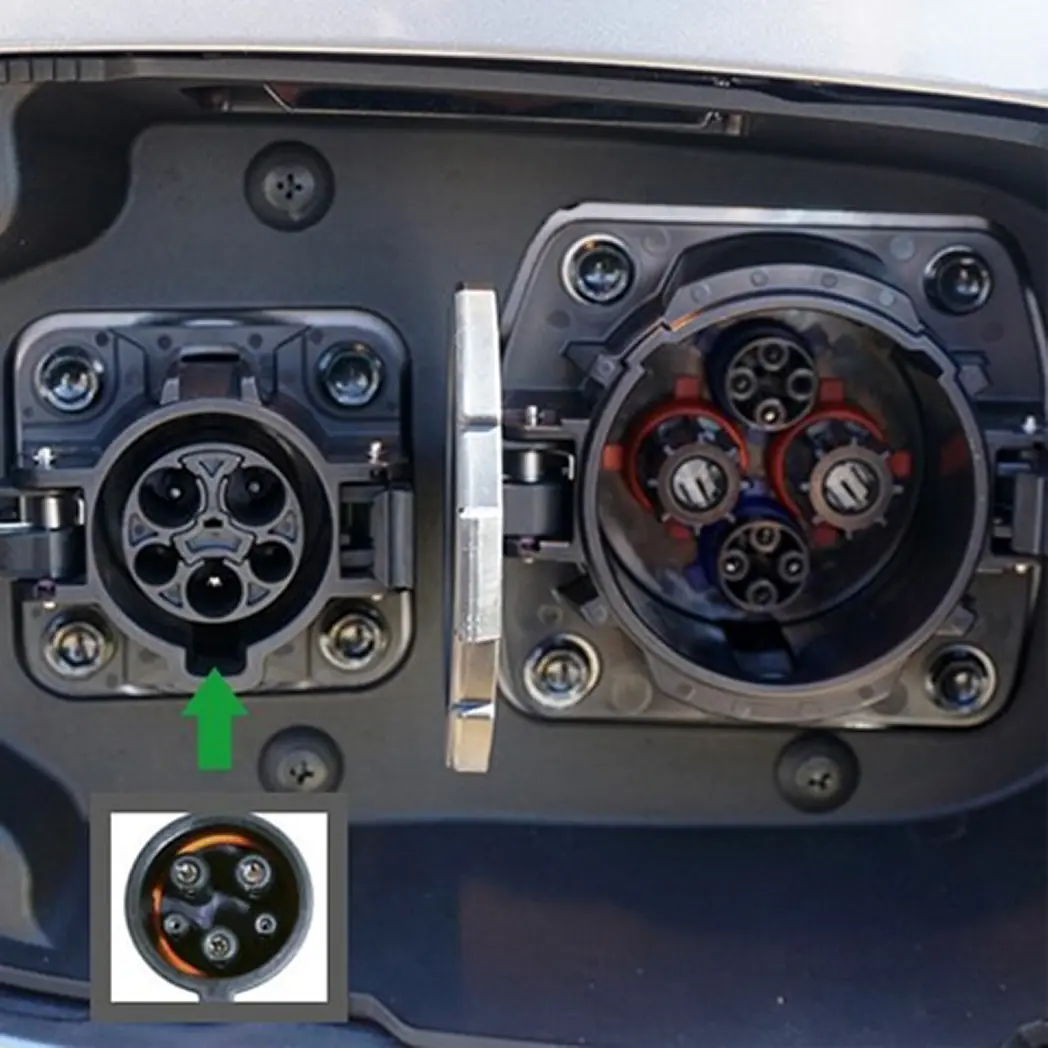
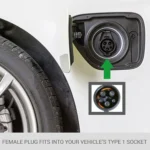
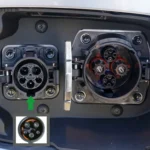
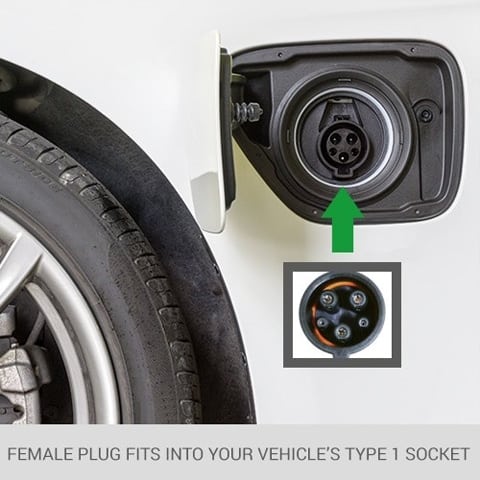
To use this 3-pin charger, your EV must have a Type 1 socket. Refer to the photo of a Type 1 socket on this page and match it to your EV.
If you are still not sure, click the button below to find your BEV/PHEV. This will enable you to verify if your vehicle is equipped with a Type 1 socket. Additionally, please review the information at the top of this page under “Please Read Before You Buy”. This information will help you to avoid the most common reasons for returning a 3-pin charging cable.
Use A Suitable Socket
Charging an EV for long periods with a 13A socket may cause thermal damage to the socket. For example, the socket might overheat if the socket has damaged, if there is faulty wiring, or if the electrical circuit is overloaded. It is rare, but it does happen.
For this reason, we strongly recommend having an electrician inspect the intended socket to certify its suitability for EV charging. This assessment should include factors such the duration (e.g., 4 hours charging at a time), and the frequency of EV charging (e.g., daily).
We understand that, at times, charging your EV with a socket certified by an electrician may not be feasible. In such instances, we recommend charging the vehicle at 6A. It is also a good idea to ensure that both the plug and socket are not becoming excessively hot during charging.
Avoid using an extension lead or adapter. Plug the charger directly into the socket. Ensure that water does not come into contact with the prongs of the 3-pin plug or enters inside the Type 1 plug. Keep the charger dry when not in use. Before using this charger, be sure to read the user booklet included with the charger.