
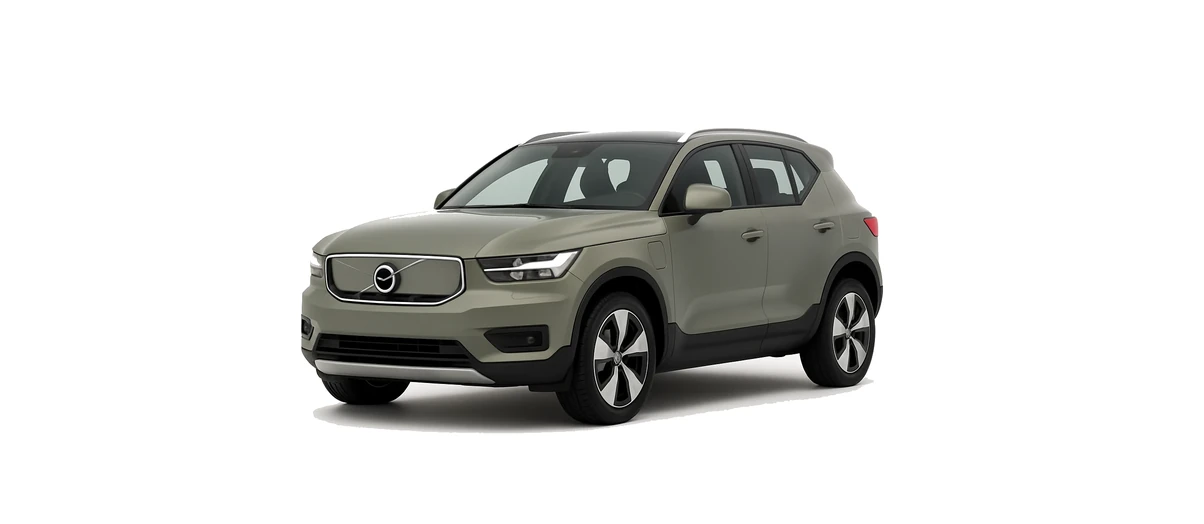
The Volvo XC40 Recharge PHEV is a compact SUV plug-in hybrid that is now best viewed as a used or legacy UK model. Volvo sold XC40 Recharge plug-in hybrid T4 and T5 versions in the UK from around 2020, but UK orders for the XC40 PHEV were removed from the line-up in 2023. That makes cable selection and used-car checks especially important, because not every car on the market will necessarily come with the original charging equipment.
It is also important to identify the car correctly. “XC40 Recharge” was used by Volvo for both plug-in hybrid and pure-electric models. This guide is for the Volvo XC40 Recharge Plug-in Hybrid T4/T5, not the pure-electric XC40 Recharge or later EX40. The PHEV uses a smaller hybrid battery, a Type 2 AC charging inlet, and does not use CCS rapid charging.
View Volvo XC40 Recharge PHEV Charging Cables
Volvo XC40 Recharge PHEV Battery and Charging Specifications
The XC40 Recharge PHEV combines a petrol engine with a rechargeable lithium-ion hybrid battery. For local journeys, commuting and school runs, regular charging can allow many miles to be covered in electric mode. For longer journeys, the petrol engine means you are not dependent on the public charging network in the same way as a full battery-electric vehicle.
| Vehicle type | Plug-in hybrid compact SUV |
|---|---|
| UK model context | Used/legacy model; UK PHEV orders stopped in 2023 |
| Main UK PHEV versions | Recharge T4 Plug-in Hybrid and Recharge T5 Plug-in Hybrid |
| Battery | 10.7 kWh total lithium-ion hybrid battery; around 8.5 kWh usable in Volvo specification data |
| Charging inlet | Type 2 AC inlet |
| Maximum AC charging rate | Up to about 3.6 kW single-phase AC |
| DC rapid charging | Not applicable for this PHEV; no CCS rapid charging |
| Official electric range | Typically around 26–29 miles WLTP combined, depending on specification |
Battery Options
The Volvo XC40 Recharge PHEV was offered in T4 and T5 plug-in hybrid forms. Both use the same 10.7 kWh hybrid battery according to Volvo support information, with Volvo specification data listing approximately 8.5 kWh usable capacity. The main differences between T4 and T5 versions relate to power output and trim rather than a larger charging battery.
Because this is a plug-in hybrid rather than a pure EV, the battery is much smaller than the battery found in a fully electric XC40 Recharge or EX40. That is why the charging speed and electric range figures are also very different. If you are buying a used XC40, check the badge, V5C, fuel type, charging inlet and owner paperwork before ordering a cable.
AC Charging Speed
The XC40 Recharge PHEV charges using single-phase AC through a Type 2 connection. Volvo lists approximate charging times at 230 V of around 8 hours at 6 A, 4 hours at 10 A and 3 hours at 16 A. The maximum onboard AC charging power is about 3.6 kW.
This means a standard 7 kW home wallbox is more than sufficient, but the car will not charge at 7 kW. The onboard charger is the limiting factor, so it will draw only up to its own maximum. The same applies if you plug into a 22 kW public AC post with a suitable Type 2 cable: the post may be capable of more, but the Volvo PHEV will still charge at up to about 3.6 kW.
For cable choice, a Type 2 Mode 3 cable is the key item for untethered home wallboxes and many public AC charge points. A 16 A cable is technically enough for the car’s maximum rate, although some owners choose a higher-rated Type 2 cable for broader future compatibility with other vehicles.
DC Rapid Charging Speed
DC rapid charging is not applicable to the Volvo XC40 Recharge PHEV. This plug-in hybrid should be treated as a Type 2 AC-only vehicle, not as a CCS-capable electric XC40. It does not have the rapid-charging capability associated with the pure-electric XC40 Recharge or EX40.
As a result, there is no meaningful 10–80% rapid-charging time for this PHEV. If you are planning a long journey, use petrol for the distance and charge the battery at home, at work or at AC destination chargers when convenient. Seeking out ultra-rapid motorway chargers will not help with this model unless the site also has compatible AC charging and you have enough time to make use of it.
Range and Efficiency
Volvo’s official electric-mode range varies by version, trim, wheels and equipment. In combined WLTP testing, the XC40 Recharge PHEV is generally in the region of 26–29 miles of electric range, with some Volvo data listing higher urban or suburban electric figures where conditions are more favourable.
In real UK use, many drivers should expect less than the headline figure, particularly in winter. Around 20 miles in colder weather and roughly the mid-20s in more favourable conditions is a realistic guide based on road-test experience. Driving speed, temperature, heater use, tyre condition, terrain and how much acceleration you use all affect the electric range.
The key point with any plug-in hybrid is that official fuel economy depends heavily on regular charging. If the car is rarely plugged in, it behaves much more like a petrol SUV carrying a hybrid system. If it is charged frequently, it can cover many short journeys using mainly electric power.
Charging at Home
Home charging is where the XC40 Recharge PHEV makes the most sense. With a battery of this size and a 3.6 kW maximum AC charging rate, a full charge can usually be achieved within a few hours from a suitable wallbox. For many owners, plugging in overnight or between daily trips is more than enough.
If your home wallbox is untethered, you will need a Type 2 Mode 3 charging cable. If your wallbox is tethered and already has a Type 2 plug attached, you can usually plug straight into the car without a separate cable. The XC40 PHEV’s charging flap is on the front wing, while the petrol filler is at the rear, so consider parking position and cable length when setting up your home charging routine.
A 3-pin portable charger is generally best suited as a backup or occasional charging solution, but can be used regularly if a qualified electrician has confirmed the socket and electrical installation are suitable for sustained EV charging. Avoid using damaged sockets, extension leads or unknown outdoor wiring, as plug-in vehicle charging places a long, continuous load on the electrical circuit.
Public Charging
For public charging, focus on AC destination chargers rather than rapid chargers. Typical useful locations include supermarkets, town-centre car parks, hotels, workplaces, leisure centres and long-stay car parks. The XC40 Recharge PHEV can safely connect to 7 kW or 22 kW AC posts using the correct Type 2 cable, but it will only draw up to about 3.6 kW.
This makes public charging most worthwhile when the car will be parked for a few hours. A short stop at a charger may add only a small amount of electric range, whereas a longer stay can make a meaningful difference for the next local journey. Because the battery is relatively small, you do not need an all-day session to replenish it from low to full.
Used buyers should also check whether the car came with a Type 2 public charging cable. Volvo UK launch material indicated that a Type 2/Mode 3 cable was an optional extra on early UK T5 Twin Engine models, so it is sensible to inspect the boot storage area and confirm exactly what is included before relying on public AC posts.
Vehicle-Specific Features
The most important vehicle-specific point is the naming. The XC40 Recharge PHEV is not the same as the pure-electric XC40 Recharge. The plug-in hybrid has a petrol filler as well as a Type 2 charging inlet, a smaller hybrid battery, and AC-only charging. The pure-electric model has different battery sizes, different charging capability and different cable requirements.
The PHEV is based on Volvo’s CMA compact architecture and was sold as a practical premium compact SUV with the benefit of short-distance electric driving. For charging purposes, the ownership experience is simple: charge little and often, use Type 2 AC equipment, and do not expect public rapid charging.
The charging flap location on the front wing is worth noting for everyday use. Depending on how you park on a driveway or in a public bay, a longer cable may be more convenient than the shortest available option. However, unnecessarily long cables can be heavier and more awkward to store, so choose a length that matches your normal parking arrangement.
Charging Tips
- Charge frequently: The XC40 PHEV gives its best efficiency when the battery is topped up for local electric driving.
- Use Type 2 AC charging: A Type 2 Mode 3 cable is the right choice for untethered wallboxes and many public AC posts.
- Do not chase rapid chargers: This PHEV does not use CCS rapid charging, so motorway ultra-rapid units are not relevant unless AC charging is also available.
- Remember the 3.6 kW limit: A faster post will not force the car to charge faster than its onboard charger allows.
- Check used-car equipment: Make sure the car comes with the correct charging cable, or budget for a replacement.
- Pre-condition the cabin while plugged in if your car’s settings allow it: This can help preserve electric range by reducing demand on the battery at the start of a journey.
- Expect winter variation: Cold weather, wet roads and cabin heating can reduce the electric miles available.
Frequently Asked Questions
What charging cable does the Volvo XC40 Recharge PHEV use?
It uses a Type 2 charging connection for AC charging. For untethered home wallboxes and many public AC charge points, you need a Type 2 Mode 3 cable.
How fast can the Volvo XC40 Recharge PHEV charge?
The maximum AC charging rate is about 3.6 kW. Volvo’s published guidance indicates around 3 hours at 16 A/230 V, around 4 hours at 10 A, and longer from lower-current charging.
Can the Volvo XC40 Recharge PHEV use a 7 kW wallbox?
Yes. A 7 kW wallbox is suitable, but the car will not charge at the full 7 kW rate. It will draw up to about 3.6 kW because that is the limit of the onboard charger.
Can it use a 22 kW public charger?
Yes, if the charger is an AC post with a Type 2 socket and you have the correct cable. However, the vehicle will still charge at up to about 3.6 kW.
Does the XC40 Recharge PHEV have rapid charging?
No. This plug-in hybrid does not have CCS rapid charging. Rapid-charge figures such as 10–80% times are not applicable to this model.
Is the Volvo XC40 Recharge PHEV the same as the electric XC40 Recharge?
No. Volvo used the Recharge name for both plug-in hybrid and fully electric cars. The XC40 Recharge PHEV has a petrol engine and a smaller hybrid battery, while the pure-electric XC40 Recharge has a much larger battery and different charging capability.
What This Means for Drivers
The Volvo XC40 Recharge PHEV is straightforward to charge once you understand its limits. It is designed for regular AC top-ups rather than rapid-charging stops. A Type 2 charging setup at home, work or local destination chargers is the best match for the car’s 3.6 kW onboard charger.
For used buyers, the main risk is confusing the plug-in hybrid with the pure-electric XC40 Recharge. Before buying cables or planning charging around public rapid chargers, confirm that you have the T4 or T5 plug-in hybrid version. Once confirmed, the practical approach is simple: keep the battery topped up, use AC charging where the car is parked for a while, and treat the petrol engine as the long-distance backup.
Looking for a Charging Cable for Volvo XC40 Recharge PHEV?
We offer charging cables suitable for the Volvo XC40 Recharge PHEV, including Type 2 options for home wallboxes and public AC charge points. Check your exact vehicle and charging setup before ordering, especially if you have bought a used car without its original cable.
View Volvo XC40 Recharge PHEV Charging Cables
Please note that this information is intended as a guide. Charging specifications may change due to model and year of manufacture. For precise information, always refer to your vehicle user manual.

