
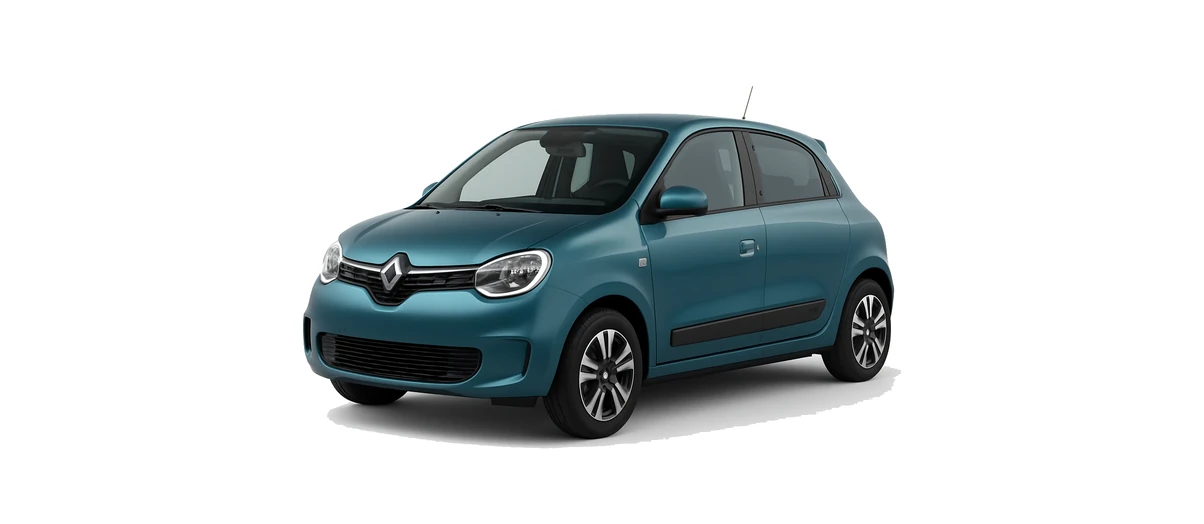
The Renault Twingo charging story needs a little care in the UK, because there are two very different electric Twingo contexts. The current model to focus on is the forthcoming Renault Twingo E-Tech electric: a compact, pure battery-electric city car with a 27.5 kWh LFP battery and UK specification still subject to final confirmation. Renault UK has promoted the car through Twingo R Pass early-access pages and notes that specification may vary while homologation is pending.
This guide focuses on the new Renault Twingo E-Tech electric rather than older petrol Twingos or the 2020-2024 continental European Twingo Electric/ZE. The key point for charging is that the new Twingo is expected to be straightforward on a Type 2 home wallbox, but buyers should check whether their car has the optional Advanced Charge equipment if they want 11 kW AC charging, CCS rapid charging, V2L or V2G capability.
View Renault Twingo Charging Cables
Renault Twingo Battery and Charging Specifications
For the new Renault Twingo E-Tech electric, Renault media describes a 27.5 kWh LFP battery and a WLTP range of up to 163 miles. EV Database UK lists the usable battery capacity as 27.5 kWh and estimates the nominal/gross capacity at around 29.0 kWh. That makes the Twingo a city-focused EV rather than a long-distance model, with charging habits likely to centre on home, workplace and local public AC charging.
The standard AC charging figure published for the new model is 6.6 kW. Renault media also describes an optional Advanced Charge pack that adds an 11 kW AC bidirectional charger and 50 kW DC rapid charging. Renault UK’s charging information refers to Type 2 AC charging and public DC rapid charging with tethered cables, but final UK trim and option availability should be checked once the full UK brochure or order guide is live.
The charging connector for UK and European AC charging is Type 2. Where the optional DC rapid-charging equipment is fitted, the car uses CCS Combo 2 for rapid charging. Importantly, CCS rapid charging should not be assumed on every Twingo E-Tech electric until the exact UK specification is confirmed.
Battery Options
The relevant battery for the new Renault Twingo E-Tech electric is the 27.5 kWh LFP pack. LFP battery chemistry is commonly used in compact and efficiency-focused EVs, but owners should still follow Renault’s official charging guidance when the UK handbook becomes available.
There is also an older Renault Twingo Electric, sometimes called Twingo ZE, sold in continental Europe between 2020 and 2024. EV Database lists that model as not available to order new in the UK. It used a smaller battery, around 21.3 kWh usable, and had a very different charging setup: Type 2 AC charging up to 22 kW but no DC rapid charging. If you own an imported older Twingo Electric, do not assume the figures in this guide apply directly to your car.
AC Charging Speed
AC charging is the main charging method most Renault Twingo E-Tech electric drivers will use. The standard onboard AC charger is listed at 6.6 kW, which is well matched to a typical UK single-phase 7.4 kW home wallbox. In real use, the car controls the maximum charging rate, so a 7.4 kW wallbox does not force the car to charge faster than its onboard charger allows.
The optional Advanced Charge pack is described as adding an 11 kW AC bidirectional charger. To use 11 kW AC, you generally need access to a three-phase AC supply, which is more common at workplaces and some public charging locations than at ordinary UK homes. On a single-phase home wallbox, an 11 kW-capable car can still charge at the lower rate supported by the supply and charging equipment.
For untethered AC charging, the cable you need is a Type 2-to-Type 2 charging cable. Renault UK indicates that a Type 2 cable is supplied as standard, but owners may still want a spare, replacement or second cable for home, workplace or public charging use.
DC Rapid Charging Speed
DC rapid charging is where the new Twingo needs the most careful checking. Renault media states that 50 kW DC charging is included with the optional Advanced Charge setup, with a 10-80% charging time of around 30 minutes. That is useful for longer days out, but it should not be presented as standard on every UK car until Renault confirms the final specification.
You do not need to buy a separate DC rapid-charging cable. Public DC chargers use tethered CCS cables attached to the charging unit. If your Twingo E-Tech electric has the optional CCS rapid-charging hardware, you connect the charger’s CCS plug directly to the vehicle. If it does not have that equipment, rapid charging will not be available even if the chargepoint has a CCS connector.
Owners of the older imported 2020-2024 Twingo Electric should be especially careful here. That model had no DC rapid charging, so a CCS charging stop would not be an option for that car.
Range and Efficiency
Renault quotes up to 163 miles WLTP for the new Twingo E-Tech electric. EV Database UK estimates real-world range at about 110 miles, which is a useful planning figure because real range varies with temperature, speed, driving style, load and use of heating or air conditioning.
In typical urban use, the Twingo’s small battery should make regular charging simple and inexpensive compared with larger EVs. Shorter journeys, lower speeds and frequent regenerative braking tend to suit a compact city car. On faster roads in winter, the available range may be lower, so it is sensible to plan with a buffer rather than relying on the headline WLTP figure.
The heat pump is not listed as available in the supplied research data, and UK battery preconditioning status is not clearly confirmed by Renault UK’s public information. If either feature matters to your usage, check the final UK brochure and vehicle handbook before ordering.
Charging at Home
For most UK drivers, a dedicated home wallbox will be the most convenient way to charge the Renault Twingo E-Tech electric. A 7.4 kW single-phase wallbox is a good practical match, because the standard car is listed at 6.6 kW AC and the optional 11 kW car can still use lower-powered single-phase charging where supported.
With a 27.5 kWh usable battery, a typical overnight charge should comfortably cover daily urban driving. The exact charging time will depend on the starting state of charge, the wallbox output, the vehicle’s onboard charger and any charging schedule or current limit set in the car or charger app.
If you use an untethered wallbox, you will need a Type 2-to-Type 2 cable. A tethered wallbox has its own attached cable, so you may only need your portable Type 2 cable for public AC posts. Many drivers still keep a separate cable in the boot for workplaces, hotels, supermarkets and council car parks with untethered Type 2 sockets.
A 3-pin charger is generally best suited as a backup or occasional charging solution, but can be used regularly if a qualified electrician has confirmed the socket and electrical installation are suitable for sustained EV charging. Standard domestic sockets were not designed primarily for long, high-load EV charging sessions, so inspection and appropriate safety precautions matter.
Public Charging
Public AC charging is simple: use a Type 2-to-Type 2 cable at untethered AC posts, or the post’s attached cable if it is tethered. The new Twingo E-Tech electric will charge only up to the limit of its onboard charger, so a 22 kW public AC post does not mean the new car will charge at 22 kW. The expected figures are 6.6 kW as standard or up to 11 kW with the optional AC charger where the supply supports it.
Public DC rapid charging is different. If the vehicle has the optional CCS rapid-charging equipment, you use the tethered CCS cable on the rapid charger. The quoted peak rate is up to 50 kW, with a 10-80% charge in around 30 minutes. For a small urban EV, that can be enough to make occasional longer trips easier, but rapid charging is likely to be a secondary charging method rather than the everyday default.
Before planning a long journey, check both the vehicle specification and the chargepoint details in your preferred charging app. If your car does not have DC charging, plan around AC stops instead.
Vehicle-Specific Features
The optional Advanced Charge setup is the major vehicle-specific charging distinction on the new Renault Twingo E-Tech electric. Renault media links this equipment to the 11 kW AC bidirectional charger, 50 kW DC charging, V2L up to 3.7 kW and V2G support. Because Renault UK has not yet finalised all UK specification details publicly, these features should be treated as optional and subject to market confirmation.
V2L, or vehicle-to-load, can allow an EV to power compatible external electrical devices. V2G, or vehicle-to-grid, is more complex and depends on a compatible vehicle, charger, energy supplier, tariff and local setup. Even if the car has the hardware, UK service availability and practical compatibility will need checking at the time of purchase.
The Twingo’s compact size, modest battery and Type 2 charging setup make it particularly suited to regular top-ups rather than infrequent deep charging sessions. Owners who can charge at home or at work will likely find the charging experience much easier than drivers relying solely on public infrastructure.
Charging Tips
- Check your exact model: confirm whether your Twingo E-Tech electric has the standard 6.6 kW AC charger or the optional Advanced Charge equipment.
- Use Type 2 for AC charging: a Type 2-to-Type 2 cable is the correct cable for most untethered UK home, workplace and public AC posts.
- Do not buy a DC cable: CCS rapid chargers have tethered cables, and rapid charging only applies if the car has the optional CCS equipment.
- Charge overnight where possible: the small battery makes routine overnight AC charging a practical approach for urban driving.
- Keep a sensible buffer: real-world range can fall in cold weather or on faster roads, so avoid planning every journey around the full WLTP figure.
- Used-import owners should verify carefully: the older 2020-2024 Twingo Electric uses different charging specifications, including 22 kW AC and no DC rapid charging.
Frequently Asked Questions
What charging cable does the Renault Twingo E-Tech electric use?
For AC charging in the UK and Europe, the new Renault Twingo E-Tech electric uses a Type 2 connection. For untethered chargepoints, use a Type 2-to-Type 2 cable.
Does the Renault Twingo support rapid charging?
The new Twingo E-Tech electric is described with optional 50 kW CCS DC charging as part of the Advanced Charge setup. It should not be assumed on every UK car until the final UK specification is confirmed. The older 2020-2024 Twingo Electric had no DC rapid charging.
Can the new Renault Twingo charge at 22 kW AC?
No, the new Twingo E-Tech electric should not be described as a 22 kW AC car. Published information indicates 6.6 kW AC as standard and 11 kW AC as optional. The 22 kW AC figure applies to the older continental European Twingo Electric, not the new model.
Is a Type 2 cable supplied with the car?
Renault UK’s charging information refers to a Type 2 cable being supplied as standard. However, owners may still need a replacement, spare or additional cable depending on how and where they charge.
Is the Renault Twingo a plug-in hybrid?
No. The forthcoming Renault Twingo E-Tech electric is a pure battery-electric vehicle. Older UK Twingos were petrol models, while the previous Twingo Electric was a separate BEV sold in other European markets.
What This Means for Drivers
For UK drivers, the Renault Twingo E-Tech electric looks set to be a simple urban EV to live with, provided expectations are set correctly. A Type 2 cable and a 7.4 kW home wallbox should suit most day-to-day charging needs, while the car’s small battery means regular top-ups are likely to be quick and convenient.
The main thing to check is specification. If you want 11 kW AC charging, CCS rapid charging, V2L or V2G, look carefully for the optional Advanced Charge equipment and verify the details against the final UK brochure. If you own an older imported Twingo Electric, use guidance specific to that model rather than assuming the new Twingo figures apply.
Looking for a Charging Cable for Renault Twingo?
We offer Renault Twingo charging cables for drivers who need a compatible Type 2 cable for home, workplace or public AC charging, including spare and replacement cable options.
View Renault Twingo Charging Cables
Please note that this information is intended as a guide. Charging specifications may change due to model and year of manufacture. For precise information, always refer to your vehicle user manual.

