
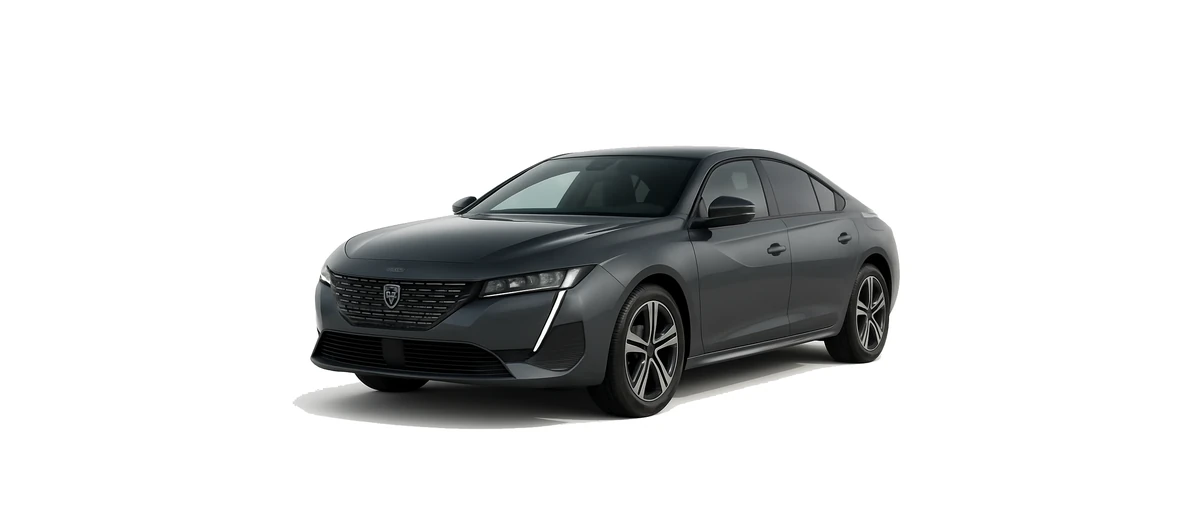
The Peugeot 508 is a little different from many cars that appear in EV charging searches. In UK plug-in hybrid form, it is not a fully electric Peugeot e-508; it combines a petrol engine with a rechargeable high-voltage battery that can be charged from an external power source. That means the charging routine is closer to a regular, convenient top-up habit than the rapid-charging planning associated with a battery electric vehicle.
For most Peugeot 508 Plug-in Hybrid owners, the important points are simple: use Type 2 AC charging, charge at home or work where possible, and check the model year and on-board charger specification if you are buying a used example. Current UK information for the facelifted 508 Plug-in Hybrid 225 e-EAT8 lists a 7.4 kW single-phase on-board charger, but some earlier UK 508 Hybrid models were listed with a 3.7 kW charger as standard and 7.4 kW as an option.
View Peugeot 508 Charging Cables
Peugeot 508 Battery and Charging Specifications
UK-market Peugeot 508 plug-in hybrid information covers the Fastback, SW estate and, in some sources, the Peugeot Sport Engineered PSE performance variants. The current non-PSE 508 Plug-in Hybrid 225 e-EAT8 pairs a petrol engine with an electric motor integrated into the e-EAT8 automatic gearbox, driving the front wheels. PSE Hybrid4 360 versions use a different performance-focused plug-in hybrid setup, so it is worth treating PSE figures separately rather than assuming they match the standard 225 model.
The charging connector confirmed in the reviewed UK information is Type 2 AC. Current Peugeot literature also refers to a Mode 3 Type 2 cable being supplied with the car, although used vehicles should always be checked individually because accessories can be missing or changed over time.
- Vehicle type: plug-in hybrid electric vehicle, not a battery electric vehicle
- Charging port: Type 2 AC
- Current UK AC on-board charger: up to 7.4 kW single-phase on recent facelifted models
- Typical wallbox full charge time: Peugeot quotes around 1 hour 40 minutes to 1 hour 45 minutes, depending on model information
- Charging flap location: rear-left wing according to Peugeot hybrid charging guidance
Battery Options
Battery capacity for the Peugeot 508 Plug-in Hybrid needs careful wording because official and near-official UK sources are not perfectly consistent across body styles, variants and model years. For the facelifted 508 Fastback Plug-in Hybrid 225 e-EAT8, Peugeot’s May 2025 UK brochure lists a 12.4 kWh lithium-ion battery. The same brochure’s SW technical table lists 11.8 kWh, while other Stellantis information for the facelifted range refers to 12.4 kWh for 180, 225 and 360 plug-in hybrid versions.
Earlier pre-facelift 508 Hybrid 225 material commonly refers to an 11.8 kWh battery. Some PSE-related sources also vary depending on age and source. The practical message for drivers is that the 508 has a relatively small plug-in hybrid battery compared with a full EV, designed for local electric driving and regular top-ups rather than long-distance electric-only travel.
If you are checking a specific car, especially a used 2020-2023 example, use the VIN, handbook, original order sheet or Peugeot dealer information to confirm the exact battery and charging specification.
AC Charging Speed
AC charging is the normal charging method for the Peugeot 508 Plug-in Hybrid. Current UK information lists a 7.4 kW single-phase on-board charger for the facelifted 508 Plug-in Hybrid 225 e-EAT8, and Peugeot’s hybrid charging guidance quotes a full charge for the 508 Hybrid or 508 SW Hybrid from a Type 2 wallbox in around 1 hour 45 minutes. Peugeot’s PSE information refers to around 1 hour 40 minutes from a 32A wallbox with a 7.4 kW on-board charger.
The car will only charge at the rate allowed by its own on-board charger, the charge point and the cable. For example, a 7 kW home wallbox is well matched to a current 7.4 kW 508 PHEV. Connecting the car to a higher-rated AC post will not make it charge beyond the vehicle’s supported AC charging rate.
Used buyers should be particularly cautious. Older UK guides for the 508 Hybrid can show a 3.7 kW on-board charger as standard, with 7.4 kW optional. A 3.7 kW car can still use a Type 2 charge point, but it will take longer to charge than a 7.4 kW-equipped car.
DC Rapid Charging Speed
Reliable UK information reviewed for the Peugeot 508 Plug-in Hybrid confirms Type 2 AC charging rather than CCS DC rapid charging. You should therefore not shop for CCS rapid-charging accessories or plan around 10-80% rapid-charge stops unless documentation for your specific vehicle proves otherwise.
This is normal for many plug-in hybrids. The 508’s battery is much smaller than a full EV battery, and the petrol engine remains available for longer journeys. Charging to 100% before a short electric trip is normal PHEV use; the 10-80% rapid-charging advice often discussed for battery electric vehicles is not really relevant here.
Range and Efficiency
Official electric range depends on body style, trim, wheels, equipment and variant. Peugeot’s May 2025 UK brochure gives a WLTP electric range spread of 34.2-42.3 miles for current non-PSE versions, while Peugeot’s live UK model information markets up to around 40 miles depending on finish and equipment. The 508 PSE is lower, with Peugeot UK pages quoting up to 34 miles for the Fastback and up to 32 miles for the SW.
As with any plug-in hybrid, real-world electric range will vary. Cold weather, motorway speeds, cabin heating, tyre choice, payload and driving style can all reduce the electric distance available. The best ownership experience usually comes from charging frequently and using electric mode for commuting, school runs, town driving and shorter local journeys.
Because the 508 has a petrol engine as well as electric drive, efficiency is strongly influenced by how often it is plugged in. A 508 PHEV used daily with home or workplace charging can cover many short trips electrically. The same car driven mostly on long journeys without charging will behave more like a petrol hybrid with additional weight.
Charging at Home
A dedicated 7 kW home wallbox is the most convenient charging solution for most Peugeot 508 Plug-in Hybrid owners. It gives predictable charging, usually enough power to refill the battery in under two hours on current 7.4 kW cars, and allows owners to make better use of off-peak electricity tariffs where available.
The usual cable choice is a Type 2-to-Type 2 cable for connecting the car to a tethered or untethered wallbox, depending on the charger design. If your home charger is tethered with the correct Type 2 plug, you may not need a separate cable for home use, but it is still useful to carry one for public AC posts.
A three-pin domestic lead is possible in Peugeot guidance and may be available as an accessory, but it is slower than a wallbox. A 3-pin charger is generally best suited as a backup or occasional charging solution, but can be used regularly if a qualified electrician has confirmed the socket and electrical installation are suitable for sustained EV charging.
For a PHEV such as the 508, charging little and often works well. Plugging in overnight, during the working day, or whenever the car is parked for a couple of hours can make a noticeable difference to fuel use.
Public Charging
Public charging for the Peugeot 508 should normally mean AC Type 2 charging. Many destination chargers at supermarkets, hotels, car parks, offices and town centres are suitable, provided the charge point offers Type 2 AC connection and you have the correct cable where required.
Because the battery is small compared with a pure EV, it is rarely worth going out of your way just to find a charger on a long trip. The most useful public charging opportunities are the ones that match natural parking time: while shopping, working, eating or staying overnight. Even a relatively short stop can add useful electric miles.
Check the charge point’s pricing before plugging in. Some public chargers bill by kWh, some by time, and some include overstay fees. With a PHEV, expensive time-based pricing can make less sense if the car’s AC charging rate is lower than the post’s maximum output.
Vehicle-Specific Features
The Peugeot 508 Plug-in Hybrid is built on the EMP2 multi-energy platform and is available in Fastback and SW estate body styles, with PSE performance versions appearing in some UK information. The non-PSE 225 e-EAT8 model uses a front electric motor integrated with the automatic gearbox and is front-wheel drive.
Peugeot confirms charge management and cabin pre-conditioning functions via the MyPeugeot app. This can be useful for scheduling charging and preparing the cabin before departure, particularly when the car is plugged in. This should not be confused with traction-battery preconditioning for rapid charging, which was not confirmed in the reviewed 508 PHEV information.
No reliable reviewed source confirmed heat pump equipment, V2L, V2G or V2H capability for the UK Peugeot 508 Plug-in Hybrid, so owners should not assume those features are present.
Charging Tips
- Check your exact car: especially on used examples, confirm whether the on-board charger is 3.7 kW or 7.4 kW.
- Use Type 2 AC: this is the charging standard confirmed for the 508 PHEV in the UK information reviewed.
- Do not chase rapid chargers: the 508 PHEV is not a BEV and is not normally used with CCS rapid charging.
- Charge to 100% before short electric trips: this is normal for a plug-in hybrid and helps maximise electric running.
- Keep a cable in the car: many public AC posts are untethered, so a Type 2 cable is useful away from home.
- Top up when parked: short, frequent charges are often more valuable than waiting until the battery is empty.
Frequently Asked Questions
Is the Peugeot 508 a fully electric car?
No. The UK Peugeot 508 models covered here are plug-in hybrids. They have a petrol engine and an externally rechargeable battery, but they are not battery electric vehicles.
What charging cable does the Peugeot 508 use?
The Peugeot 508 Plug-in Hybrid uses a Type 2 AC charging connection. A Type 2-to-Type 2 cable is the key cable for most home wallboxes and public AC charging posts, unless the charger is already tethered.
How long does it take to charge a Peugeot 508 Plug-in Hybrid?
Current UK information for 7.4 kW-equipped versions points to roughly 1 hour 40 minutes to 1 hour 45 minutes from a suitable 7 kW wallbox. Older 3.7 kW cars will take longer, so check the exact vehicle specification.
Can the Peugeot 508 use DC rapid charging?
DC rapid charging was not confirmed in the reliable UK information reviewed. Owners should treat the 508 Plug-in Hybrid as an AC Type 2 charging vehicle unless their specific vehicle documentation states otherwise.
What electric range should I expect?
Official UK figures vary by version. Current non-PSE information gives up to around 40 miles, with the May 2025 brochure listing 34.2-42.3 miles depending on specification. PSE versions are quoted lower, at up to around 32-34 miles. Real-world range will depend on conditions and driving style.
What This Means for Drivers
The Peugeot 508 Plug-in Hybrid is at its best when treated as a car you plug in regularly, not as a pure EV that needs rapid-charging stops. A 7 kW home wallbox, a suitable Type 2 cable and a habit of charging whenever the car is parked will help you make the most of its electric range.
The main point for used buyers is specification checking. Battery capacity references vary between sources and model years, and older cars may have a slower 3.7 kW on-board charger rather than the 7.4 kW unit listed for current UK models. Confirming those details before buying cables or planning charge times avoids disappointment.
Looking for a Charging Cable for Peugeot 508?
If you need a suitable Type 2 charging cable for your Peugeot 508 Plug-in Hybrid, We offer Peugeot 508 charging cable options for home wallboxes and public AC charging posts.
View Peugeot 508 Charging Cables
Please note that this information is intended as a guide. Charging specifications may change due to model and year of manufacture. For precise information, always refer to your vehicle user manual.

