
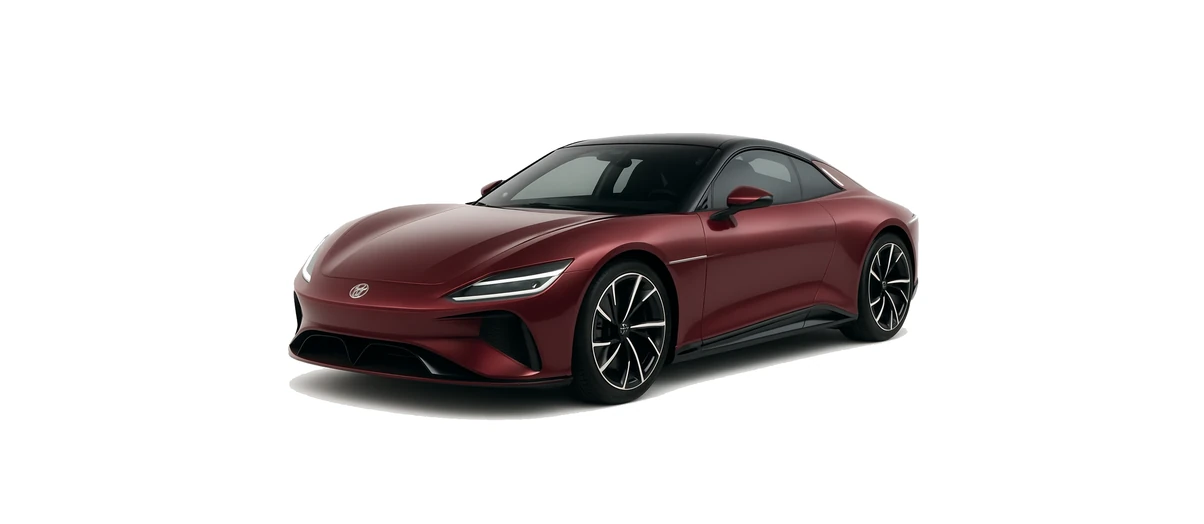
The MG Cyberster GT is one of the more unusual electric cars on UK roads: a two-seat, fabric-roof electric roadster with dual-motor all-wheel drive, scissor doors and serious performance. Despite the drama of the styling and acceleration, its charging hardware is straightforward for UK owners. The Cyberster GT uses a Type 2 connection for AC charging and a CCS Combo 2 connection for DC rapid charging, which means it fits neatly into the UK’s home, workplace and public charging infrastructure.
This guide focuses specifically on the UK-market MG Cyberster GT. That matters because MG also offers lower-powered Cyberster versions with different range figures, and charging specifications can vary between markets. For the GT, the key figures are a 77 kWh nominal battery, 74.4 kWh usable capacity, up to 276 miles WLTP combined range, 7 kW-class AC charging and up to 144 kW DC rapid charging.
View MG Cyberster GT Charging Cables
MG Cyberster GT Battery and Charging Specifications
The MG Cyberster GT is a pure battery-electric vehicle, not a plug-in hybrid or range-extender. In the UK, the GT is the dual-motor all-wheel-drive version, with MG literature listing 375 kW / 510 PS and a 0-100 km/h time of 3.2 seconds. For charging purposes, however, the headline performance is less important than the battery size, connector type and onboard charger.
- Vehicle type: battery-electric two-seat roadster
- Battery: 77 kWh nominal, 74.4 kWh usable
- Official WLTP combined range: 276 miles / 443 km for the GT
- Estimated real-world range: around 245 miles, depending on conditions
- AC charging: Type 2, 7 kW-class onboard charging
- DC rapid charging: CCS Combo 2, up to 144 kW peak
- Typical rapid charge time: 10-80% in around 38 minutes under suitable conditions
The Cyberster GT’s charging inlet combines the Type 2 AC connection with the additional CCS pins used for rapid DC charging. This is the standard arrangement for most modern UK and European electric cars.
Battery Options
The UK/EU Cyberster GT is listed with a 77 kWh battery, of which 74.4 kWh is usable. The same nominal and usable figures are given in MG brochure data and independent EV specification listings. This is a sizeable battery for a two-seat roadster and helps the GT deliver touring capability as well as performance.
It is important not to mix up the GT’s range figures with those of the single-motor Cyberster variants. The GT uses the same nominal battery size but has more power and all-wheel drive, and its official WLTP combined range is lower than the Trophy/Exclusive version. If you are planning charging stops or comparing running costs, use GT-specific figures rather than assuming all Cybersters will travel the same distance per charge.
AC Charging Speed
For UK home and destination charging, treat the MG Cyberster GT as a 7 kW-class electric car. MG’s brochure lists a 7 kW onboard AC charger, while EV Database UK lists Type 2 AC charging at 7.4 kW, which corresponds to a typical 32 amp single-phase UK wallbox.
On a standard 7.4 kW home charge point, a full 0-100% charge is typically around 12 hours, with MG quoting 12.5 hours for 10-100% on a 7 kW AC charger. In normal ownership, most drivers will not be charging from empty to full every night. If you arrive home with 40% remaining and charge to 80% or 90%, the session will be much shorter and easily fit into an overnight off-peak electricity window.
A useful point for Cyberster GT owners is that a 22 kW public AC post will not make the car charge three times faster in UK specification. The car’s onboard AC charger is the limiting factor, so it will still charge at roughly its 7 kW-class maximum on AC. Faster charging requires a DC rapid or ultra-rapid charger using the CCS connector.
DC Rapid Charging Speed
For longer journeys, the MG Cyberster GT can use CCS rapid chargers at up to 144 kW peak. MG quotes a 10-80% rapid charge time of 38 minutes when using a suitable high-powered charger, and independent modelling places the same session at around 39 minutes. That makes the car practical for weekend touring and longer motorway trips, provided you plan sensible charging stops.
The 144 kW figure is a maximum or peak capability, not a speed the car will hold from 10% to 80%. Like other EVs, the Cyberster GT will charge fastest in the lower and middle parts of the battery and then slow down as the state of charge rises. Independent estimates suggest an average of around 85 kW across a typical 10-80% rapid charging session.
For this reason, it is usually better on long journeys to plan around 10-80% stops rather than aiming to rapid charge to 100%. Charging beyond 80% can be useful if you need the extra range to reach a remote destination, but the final part of the battery generally takes longer.
Range and Efficiency
The official WLTP combined range for the MG Cyberster GT is 276 miles, while the WLTP city figure is higher at 340 miles. Real-world driving will vary. EV Database UK estimates around 245 miles for the GT in mixed conditions, but your own result will depend on speed, temperature, tyre condition, road type, roof and climate use, driving style and how heavily you use the car’s performance.
As a quick guide, gentle urban and A-road driving in mild weather should be more efficient than high-speed motorway work in winter. Open-top motoring can also influence comfort and climate use, so it is sensible to leave a range buffer when planning longer trips. The GT is quick and capable, but it is still subject to the same efficiency trade-offs as other performance EVs.
Charging at Home
Home charging is the easiest and most cost-effective way to run an MG Cyberster GT for many UK owners. A dedicated 7.4 kW Type 2 wallbox is a sensible match for the car’s onboard AC charging capability. It allows the car to recover a large amount of range overnight and makes it easy to make use of off-peak electricity tariffs if your energy supplier offers them.
Because the Cyberster GT has a usable battery capacity of 74.4 kWh, a full charge from a low state of charge will take a long time on AC, but that should not be seen as a problem. In daily use, EVs are normally topped up rather than fully depleted. Plugging in when you get home and setting a departure or charging schedule can make the car feel very easy to live with.
A portable 3-pin charger can be useful in some circumstances, but it is generally best suited as a backup or occasional charging solution. It can be used regularly if a qualified electrician has confirmed the socket and electrical installation are suitable for sustained EV charging. For a car with a battery as large as the Cyberster GT’s, a dedicated wallbox is normally the more convenient long-term option.
Public Charging
For public AC charging at hotels, workplaces, town-centre car parks and some supermarkets, you will usually need your own Type 2 charging cable. These posts often supply AC power and rely on the driver’s cable to connect the vehicle. The Cyberster GT’s Type 2 inlet makes it compatible with this common UK setup.
For rapid and ultra-rapid charging, you do not need a separate cable. CCS rapid chargers have a tethered cable attached to the unit. You simply select the charger, plug the CCS connector into the car and follow the payment or app instructions for that network.
When planning public charging stops, check that the charger is working, available and powerful enough to make use of the Cyberster GT’s DC capability. A 150 kW-class charger is well matched to the car’s quoted 144 kW peak, but a lower-powered 50 kW rapid charger will still work; it will just take longer.
Vehicle-Specific Features
The MG Cyberster GT combines high performance with relatively conventional charging equipment. Its dual-motor all-wheel-drive layout and electric roadster body make it distinctive, but from a charging point of view it behaves much like many other Type 2 and CCS-equipped EVs in the UK.
Vehicle-to-load is listed as included equipment in MG’s Cyberster brochure. This allows the car’s battery to power suitable external electrical devices, subject to the correct adapter, limits and manufacturer guidance. However, vehicle-to-grid and vehicle-to-home capability are not listed as supported in the checked UK charging specification data, so the Cyberster GT should not be treated as a home backup battery system.
Heat pump and battery preconditioning information was not clearly confirmed in the checked UK/EU charging sources. Owners should refer to the handbook or the latest UK specification for their exact model year before relying on those features for winter range or rapid charging planning.
Charging Tips
- Use a 7.4 kW Type 2 wallbox at home: it is a sensible match for the Cyberster GT’s UK AC charging capability.
- Carry a Type 2 cable: many public AC chargers are untethered, so you will need your own cable.
- Use CCS for rapid charging: DC rapid and ultra-rapid chargers use their own tethered CCS cable.
- Plan motorway stops around 10-80%: this is usually quicker than waiting for the last 20% of the battery.
- Do not assume 22 kW AC charging: the UK Cyberster GT is best treated as a 7 kW-class AC car.
- Leave a range buffer: cold weather, high speeds and enthusiastic driving can reduce range.
Frequently Asked Questions
What charging cable does the MG Cyberster GT use?
The MG Cyberster GT uses a Type 2 cable for AC home and destination charging. For DC rapid charging, it uses the CCS Combo 2 connector with the tethered cable provided at the rapid charger.
How fast does the MG Cyberster GT charge at home?
On a typical UK 7.4 kW wallbox, the Cyberster GT charges at around its 7 kW-class AC limit. A near-full charge takes roughly 12 hours, but everyday top-ups are usually much shorter.
Can the MG Cyberster GT use a 22 kW public AC charger?
Yes, it can plug into a 22 kW Type 2 AC post, but the car’s onboard AC charger limits the charging rate. In UK specification, it should not be expected to charge at 22 kW.
How fast is MG Cyberster GT rapid charging?
The car supports up to 144 kW DC rapid charging, with MG quoting 10-80% in 38 minutes under suitable conditions. The average speed across the session will be lower than the peak figure.
Is the MG Cyberster GT a plug-in hybrid?
No. The Cyberster GT is a battery-electric vehicle with no petrol engine.
What This Means for Drivers
The MG Cyberster GT may look exotic, but its charging needs are easy to understand. At home, a 7.4 kW Type 2 wallbox is the natural fit. On longer journeys, CCS rapid charging at suitable high-powered chargers can take the battery from 10-80% in a little under 40 minutes in favourable conditions. The result is a roadster that can be enjoyed for short blasts, weekend trips and longer tours, as long as you plan around realistic range and charging times rather than peak figures alone.
Looking for a Charging Cable for MG Cyberster GT?
If you need a suitable Type 2 cable for home, workplace or destination charging, choose a cable that matches the MG Cyberster GT’s UK charging setup and your charging routine.
View MG Cyberster GT Charging Cables
Please note that this information is intended as a guide. Charging specifications may change due to model and year of manufacture. For precise information, always refer to your vehicle user manual.

