
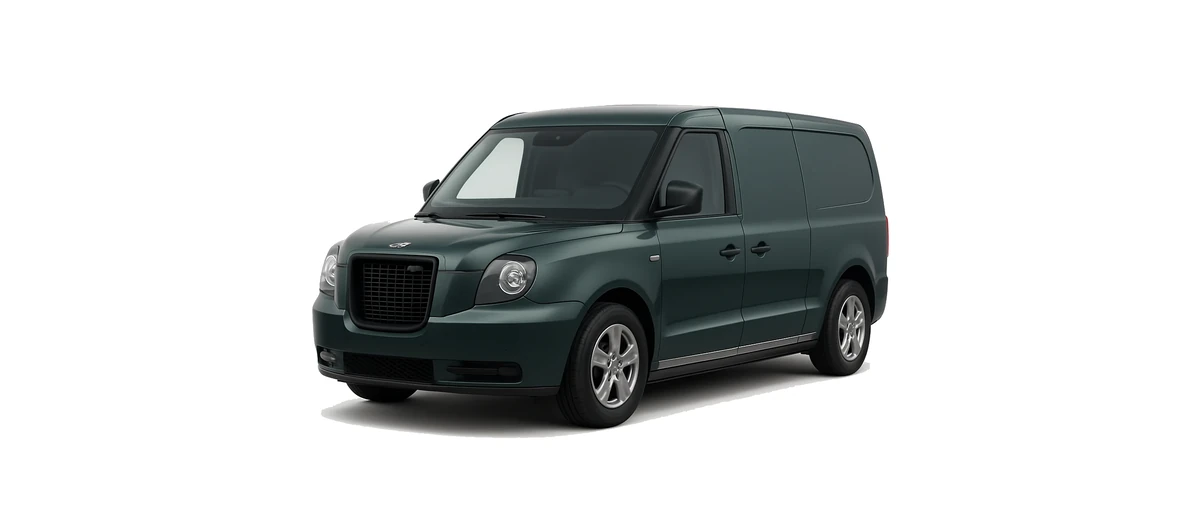
The LEVC VN5 is a distinctive working van because it is not a conventional diesel van and it is not a pure battery-electric van either. It is a range-extender electric van: the wheels are driven by an electric motor, while an onboard petrol generator can provide extra range when the battery has been used. For many operators, the VN5 makes most sense when it is plugged in regularly and used on electric power for urban routes, deliveries and local work, with the range extender kept for longer or unexpected journeys.
That makes charging routine especially important. Choosing the right charging cable, understanding whether your van supports 11 kW or 22 kW AC charging, and checking the exact rapid-charging port fitted to your vehicle are all more important than simply quoting one headline range figure. Used and newer VN5 models can differ, particularly around battery size, AC charging capability and rapid-charging connector type.
LEVC VN5 Battery and Charging Specifications
The VN5 uses LEVC’s eCity range-extender electric-drive technology, related to the architecture used in the TX taxi. It has a plug-in traction battery for electric driving and a petrol range-extender generator for additional operating flexibility. This is an important distinction: the petrol engine is there to generate electricity, not to make the VN5 a normal combustion van.
| Vehicle type | Range-extender electric light commercial van |
|---|---|
| AC charging connector | Type 2 |
| Maximum AC charging | Up to 22 kW where fitted; some versions are listed at 11 kW |
| DC rapid charging | Up to 50 kW under suitable conditions |
| Rapid charging connector | Check the individual van: LEVC material references Type 2/CCS and also CHAdeMO configurations |
| Battery size | Earlier models quoted at 31 kWh; May 2023-on upgrade reported at 34.6 kWh |
Because LEVC documentation and independent sources reference different model years and configurations, it is worth checking the vehicle’s registration year, trim level, handbook and charging flap before buying charging accessories or planning depot charging around a particular speed.
Battery Options
Early UK VN5 models launched with a quoted 31 kWh battery. LEVC brochure material for earlier vehicles gives an official EAER WLTP electric range of 60.9 miles, while some later sources refer to around 64 miles depending on test context and specification. Usable battery capacity is not clearly confirmed in the sources checked, so it is better to avoid assuming a usable figure from the gross battery size.
In May 2023, LEVC announced an upgraded battery for new VN5 vehicles. Fleet News and Auto Express reported a move from 31 kWh to 34.6 kWh, with the VN5’s official electric-only range increasing to about 73 miles and total range reported at up to around 328 miles. LEVC’s current UK information also highlights the VN5’s flexible range, but exact figures may vary by model year and source.
The key point for used buyers is simple: do not assume every VN5 has the later 34.6 kWh battery or the longer electric-only range. If electric range is critical to your work pattern, confirm the build date and specification before purchase.
AC Charging Speed
Routine AC charging is where the VN5 will spend most of its time. For AC charging, the VN5 uses a Type 2 connection. This is the cable you will normally use at a home wallbox, workplace charger, depot charger or many untethered public AC charge points.
The maximum AC charging speed depends on the vehicle specification. LEVC charging information lists 7 kW wallbox charging, 11 kW AC and 22 kW AC scenarios. However, earlier UK brochure material shows 11 kW AC charging as standard on Business and City specifications, with 22 kW AC added on the Ultima trim. For that reason, it is not safe to say that every VN5 can charge at 22 kW AC.
For many operators, a 7 kW wallbox is still sufficient because the van can be charged overnight at home or at a depot. If your vehicle supports 11 kW or 22 kW AC and your site has the right three-phase electrical supply, higher-powered AC charging can reduce downtime during the working day. The charging cable also needs to be rated appropriately for the charging speed and supply type.
DC Rapid Charging Speed
The VN5 supports DC rapid charging at up to 50 kW where the vehicle and charger configuration allow. LEVC’s charging information lists rapid charging from 0-80% in 25 minutes and 0-100% in 30 minutes under its stated conditions. A separate verified 10-80% figure was not found in the research data, so it is best not to convert those figures into a claimed 10-80% time.
For DC rapid charging, public rapid chargers normally use a tethered cable attached to the charging unit. In other words, you do not usually need to bring your own cable for DC rapid charging. Your own cable is mainly for AC charging, particularly at untethered Type 2 public posts and workplace or depot charge points.
The most important VN5-specific rapid-charging advice is to check the nose charging port. Current and brochure material references a Type 2/CCS combo port, while LEVC charging information also refers to vehicles being configured with CHAdeMO and Type 2/CCS charging ports. Before planning regular rapid charging, visually confirm whether your van uses CCS Combo 2 or CHAdeMO for DC charging.
Range and Efficiency
The VN5’s electric range is best understood in the context of its working role. Earlier 31 kWh models are around the low-60-mile official electric range mark, depending on the source and test cycle. Newer May 2023-on vehicles with the quoted 34.6 kWh battery are reported at about 73 miles electric-only range. Real-world range will depend on load, route, temperature, speed, driving style and accessory use.
Because the VN5 has a petrol range extender, it can continue operating when the battery is depleted, but the best running-cost benefit comes from using the plug-in battery as much as possible. For urban delivery routes, local trades and multi-stop work, regular charging can help keep the van operating on electric power for much of the day. If it is treated like a petrol van and rarely plugged in, much of the advantage is lost.
Charging at Home
For sole traders and small fleets, home charging can be a practical way to start each day with the battery replenished. A dedicated 7 kW home wallbox is typically the preferred solution where off-street parking and electrical capacity allow. It is safer, more convenient and more suitable for regular use than relying on a domestic socket.
A 3-pin charger is generally best suited as a backup or occasional charging solution, but can be used regularly if a qualified electrician has confirmed the socket and electrical installation are suitable for sustained EV charging. This matters for commercial use because vans may be plugged in for long periods and charged frequently.
If the VN5 is used by multiple drivers or returns to base each evening, a depot wallbox setup can be more efficient than individual home charging. A 7 kW charger may be enough for overnight replenishment, while 11 kW or 22 kW AC charging may be worth considering if the van supports it and the site has suitable electrical supply. Always check the van’s onboard AC charging capability before investing in higher-powered infrastructure.
Public Charging
Public charging for the VN5 falls into two main categories: AC destination charging and DC rapid charging. For AC public charging, you will often need your own Type 2 cable, especially at untethered posts in car parks, towns, hotels, business parks and council-run locations. A good-quality Type 2 cable is therefore the everyday cable for many VN5 drivers.
For rapid charging, the charger’s tethered cable is normally used. The main task is to choose a charger with the correct DC connector for your particular van. If your VN5 has CCS, you will need a CCS rapid charger. If it has a CHAdeMO configuration, you will need a CHAdeMO rapid charger. Availability can vary by location, so this is worth checking before relying on rapid charging for a route.
Public charging can be especially useful for topping up between jobs, but the range extender means the VN5 is less vulnerable to an unavailable charger than a pure electric van. Even so, regular plug-in charging remains the best way to make the most of the vehicle’s electric-drive design.
Vehicle-Specific Features
The VN5’s most notable feature is its electric-drive layout with a petrol range-extender generator. LEVC references three drive modes: Pure EV, Save and Smart. In everyday terms, these modes help the driver manage when the van prioritises battery use and how it balances electric driving with the range extender.
LEVC also confirms that the VN5 uses a liquid-cooled battery and battery management system. This supports battery protection and management, but it should not be confused with a confirmed battery preconditioning system for rapid charging. No confirmed information was provided in the research data for features such as external power export or bidirectional charging, so they should not be assumed.
From a practical van perspective, LEVC highlights useful commercial figures such as 5.5 m3 loadspace and an 830 kg gross payload on current UK information. Load and route profile can affect electric range, so fleets should test the VN5 on their own duty cycle rather than relying only on official figures.
Charging Tips
- Use Type 2 for routine AC charging. This is the main cable type for home, depot, workplace and many public AC chargers.
- Check the rapid-charging port. Do not assume all VN5s use the same DC connector; confirm CCS or CHAdeMO on the vehicle itself.
- Verify the onboard AC charger. Some versions are listed at 11 kW, while 22 kW is associated with certain specifications such as Ultima.
- Plug in frequently. The VN5 is most cost-effective when local mileage is covered on electricity rather than petrol-generated power.
- Match the cable to the job. If using three-phase AC charging, make sure the cable is suitable for the charging power and connector type.
- Check used vehicles carefully. Battery size, charging capability and connector configuration may vary by model year and trim.
Frequently Asked Questions
Is the LEVC VN5 a fully electric van?
No. The VN5 is an electric-drive range-extender van. It is driven by an electric motor and can be plugged in, but it also has an onboard petrol generator to extend range.
What charging cable does the LEVC VN5 use?
For AC charging, the VN5 uses a Type 2 cable. This is the cable used for many home, depot, workplace and untethered public AC charge points.
Does every LEVC VN5 have 22 kW AC charging?
No. LEVC material references up to 22 kW AC charging, but earlier brochure information shows 11 kW AC on some specifications and 22 kW on Ultima. Check the exact trim, model year and vehicle documents.
Does the LEVC VN5 use CCS or CHAdeMO for rapid charging?
It depends on the individual vehicle configuration. LEVC material references Type 2/CCS combo ports, while other LEVC charging information also refers to CHAdeMO configurations. Check the charging port before relying on a particular rapid charger type.
Do I need my own cable for rapid charging?
Usually not. DC rapid chargers normally have tethered cables. Your own cable is mainly needed for AC charging at home, work, depot chargers and untethered public Type 2 charge points.
What This Means for Drivers
The LEVC VN5 rewards a charging routine. If you can plug in overnight or between jobs, the van can cover a useful amount of urban and local mileage on electric power, while the range extender provides flexibility for longer days. The main ownership checks are battery generation, onboard AC charging speed and rapid-charging connector type.
For cable selection, the safest starting point is a Type 2 AC charging cable suited to your charging setup. If you plan to use three-phase 11 kW or 22 kW AC charging, confirm that both the vehicle and the charging site support it. For DC rapid charging, focus less on buying a cable and more on confirming whether your VN5 needs CCS or CHAdeMO chargers.
Looking for a Charging Cable for LEVC VN5?
If you need a Type 2 cable for home, workplace, depot or public AC charging, choose one that matches your LEVC VN5’s charging capability and the chargers you use most often.
Please note that this information is intended as a guide. Charging specifications may change due to model and year of manufacture. For precise information, always refer to your vehicle user manual.

