




Type 2 to 3 Pin Charger. Adjustable 6A 8A 10A Current For Charging Your EV With A 13A Socket

£180.00£276.00 vat included

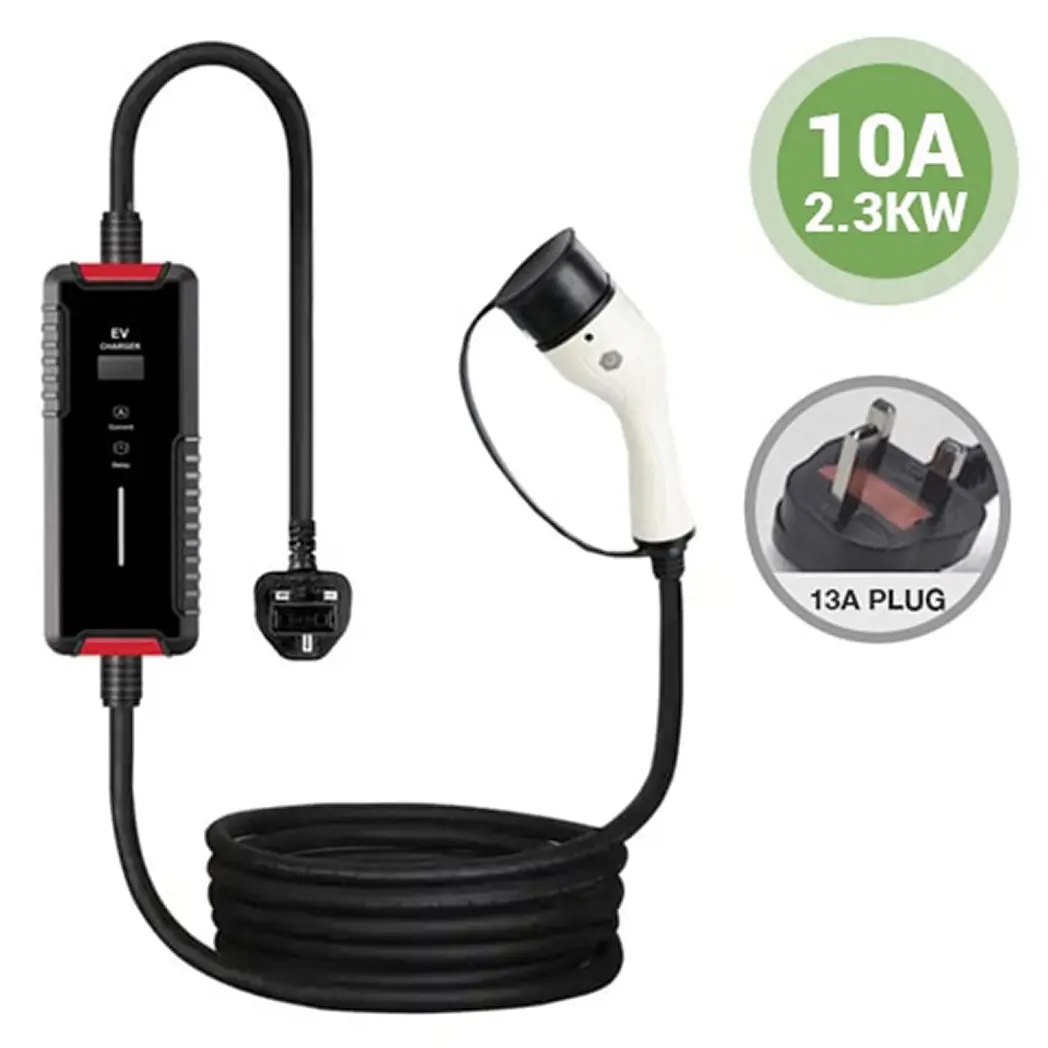
This Type 2 to 3 pin  charger will charge at the safe limit of 10A as well as 8A and 6A, making it suitable for regular charging when using a 13A 3 pin socket.

Key Features

  • Safely charge your Type 2 socket EV at home or with any 13A socket
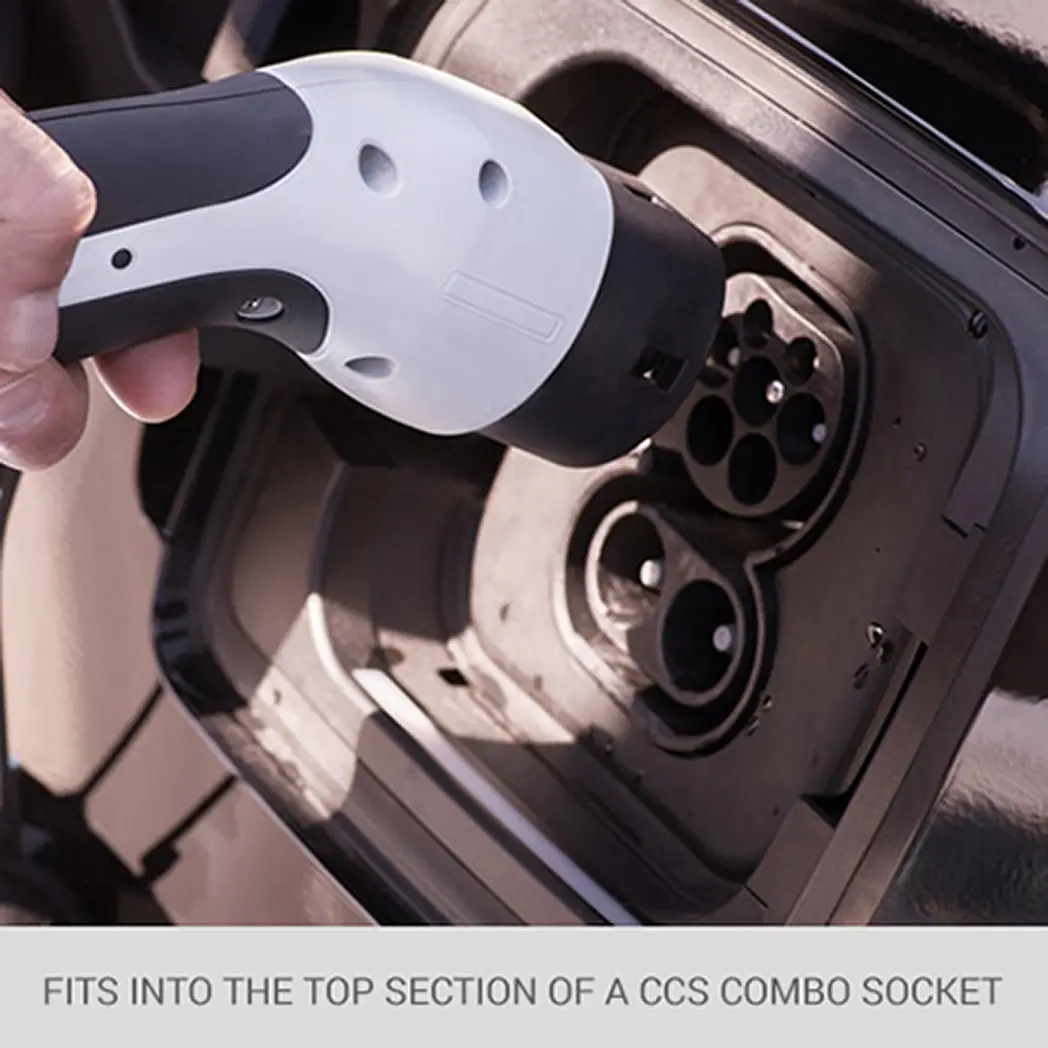
  • Compatible with the CCS and Type 2 vehicle sockets
  • Adjustable current – 6A, 8A, 10A
  • Available in lengths of 3M 5M 10M and 15M. Longer versions available on request
  • UKCA / CE certified
  • AC 30 mA + DC 6 mA Type B RCD protection
  • Integrated fault detection
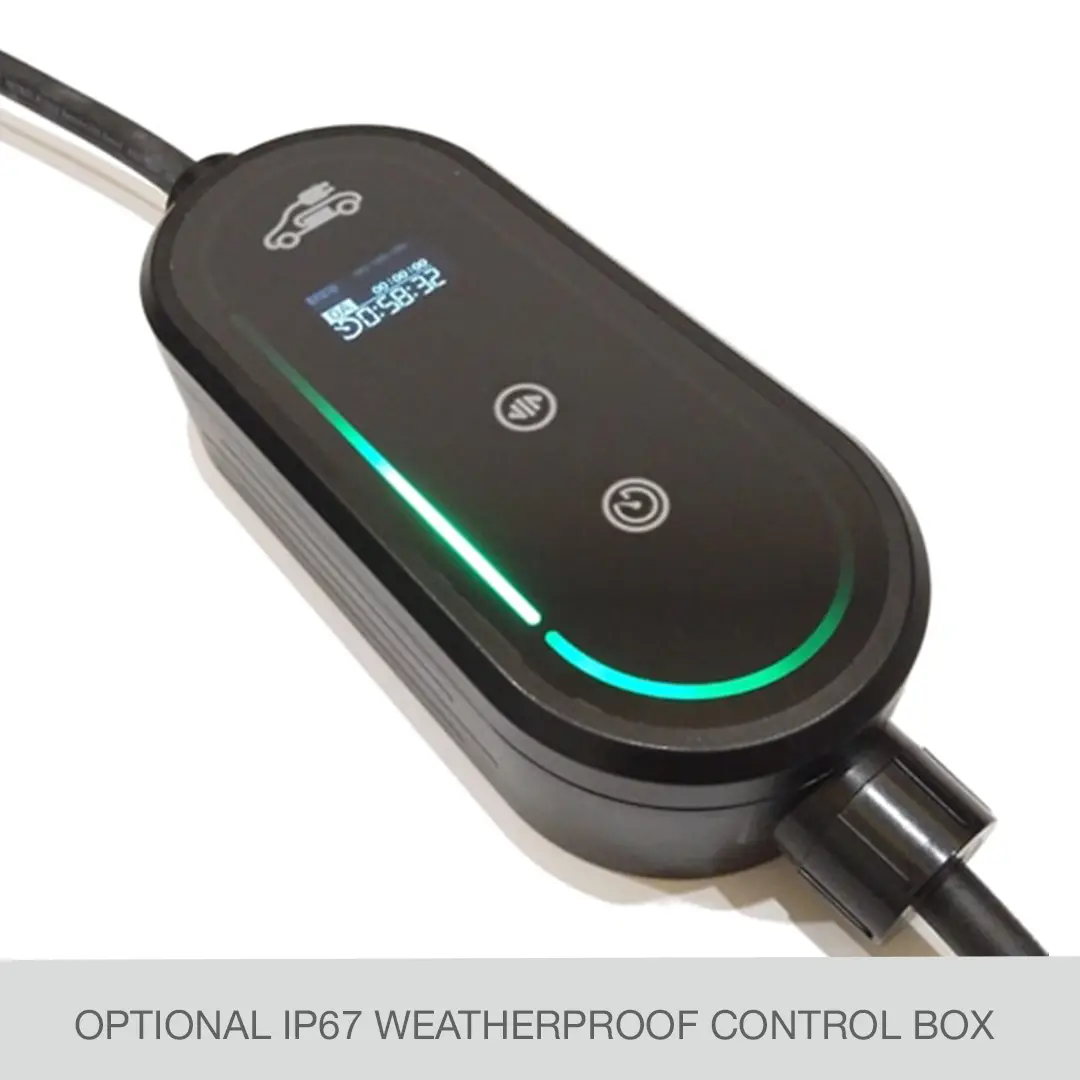
  • IP67 waterproof control box option for outdoor charging. IP ratings explained
  • IK10 rating protects againsts risks caused by impact damage
  • Real-time charging information and timer delay
  • Compatible with PV / solar power systems
  • Cable bag included for lengths up to 15M
Compatibility

This 3-pin charger is IEC 62752 certified and therefore fully compatible for charging any vehicle that has a CCS or Type 2 socket.

Looking for a different cable? Click to view all of our compatible Type 2 Charging Cables or find a cable for any vehicle by using the EV Cable Finder.

Please Read Before You Buy

Our Type 2 to 3 pin chargers are normally returned for one of the reasons below. Reading this information may help you to avoid having to return the charger. Please also read the Description tab further down the page as it contains important information about this 3 pin EV charger.

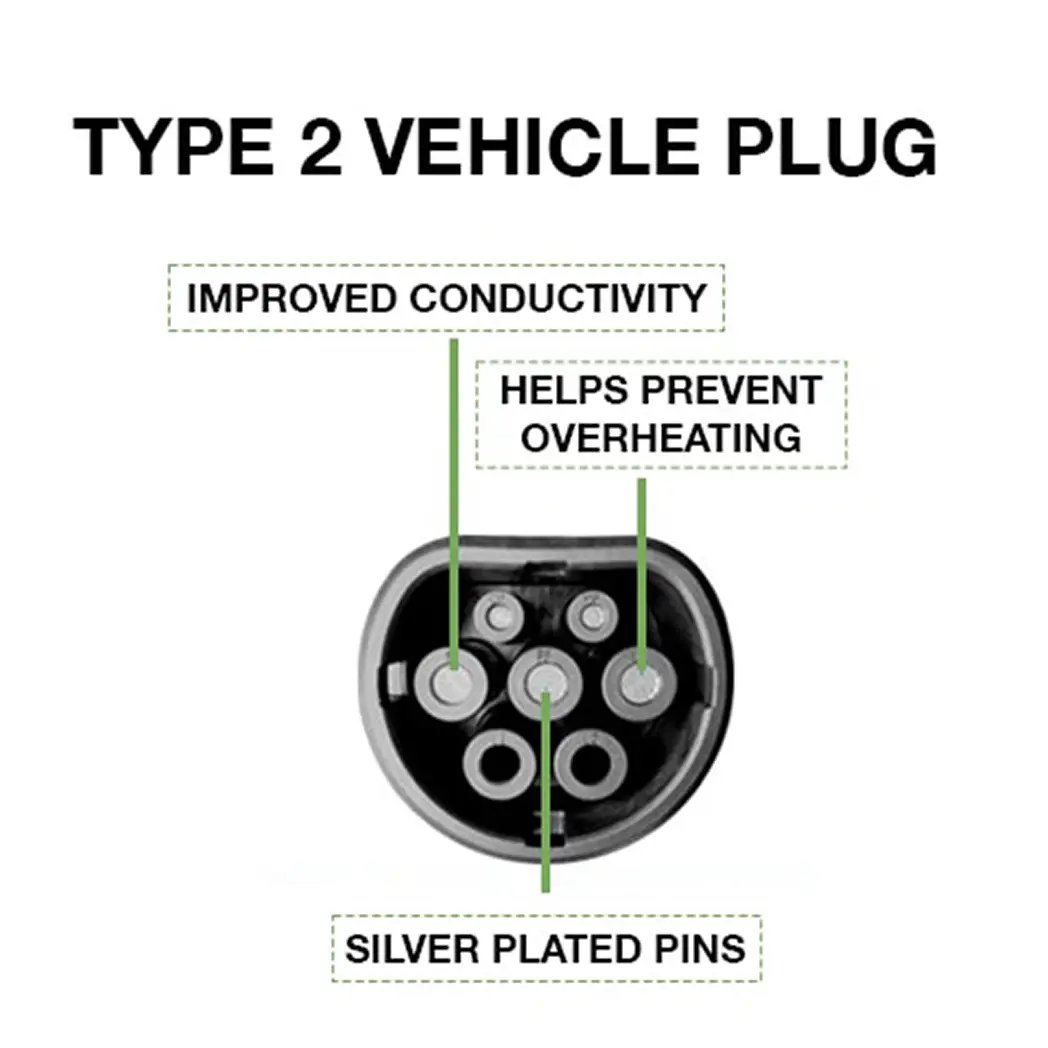
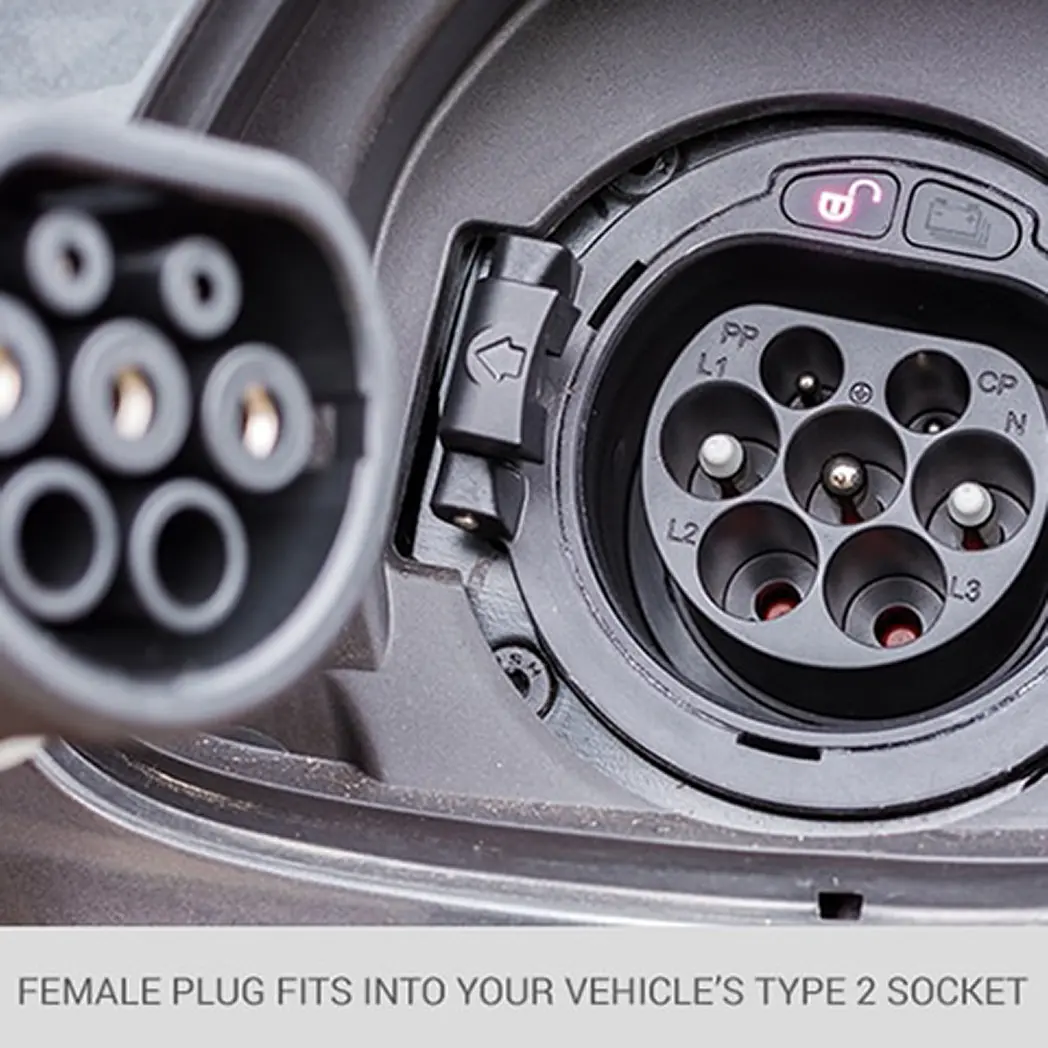
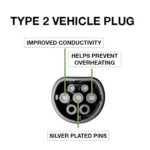
Ensure compatibility between the charging cable and your vehicle. The images on this page provide a visual guide to the connector pins, allowing you to match the cable plug to your vehicle socket. You can also use our EV Cable Finder to locate your vehicle and explore the charging cables available for your vehicle.

Is the cable long enough? Measure the distance from your 3-pin socket to your Type 2 vehicle socket, typically where your vehicle is parked, and add half a meter to prevent overstretching the cable.

Click the options below to view the price and availability. Please read all of the information below.

(2 customer reviews)
Add to Cart
Type 2 to 3 Pin Charger. Adjustable 6A 8A 10A Current For Charging Your EV With A 13A Socket
£180.00£276.00 vat included
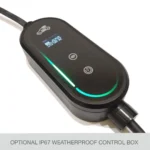
Using an outdoor socket? If you are placing the control box outdoors in an unsheltered area, we would recommend upgrading the charger to a fully weatherproof IP67 rated unit. For an additional £36 (vat included) we will send you a charger with a control box that can be left outside during adverse weather conditions such as heavy rain or snow. You can read more about IP ratings here. The IP67 charger also includes a temperature sensor inside the 3-pin plug. This will help prevent thermal damage in case your 3-pin socket overheats.
Holster for securely holding the control box on a wall. Includes screws and wall plugs. Only fix to an outdoor wall if you have added the IP67 control box.
Mastercard, visa, klarna, american express, paypal, apple pay, google pay, microsoft pay accepted

Cable Care & Warranty

To ensure the proper care of your charger, be sure to follow the safety instructions outlined in the user booklet provided with your charging cable. These chargers have a 12 months manufacturer warranty. However, following the instructions and safety information for using the Mode 2 charger will help to ensure trouble-free use. You can also register for a 24 months extended warranty. In case you do not receive the user booklet, please notify us. Additionally, check our EV Cable Care Guide for valuable tips on safely using your Mode 2 charging cable and avoiding common issues that may lead to the charger malfunctioning.

Delivery & Returns
  • 30-day exchange and return policy.
  • Free delivery to UK Mainland. International shipping.
  • Next Working Day shipping for goods showing as In Stock. Order Monday to Friday before 1pm for same day dispatch. Excludes bank holidays.
  • Click here for more information about delivery.
Cable bag included for cables up to 15 metres. Cable Case available for longer lengths.
Free shipping to UK Mainland. Next working day shipping available. Shipping to EU countries and worldwide.
2 Year Extended Warranty. We are a UK Company established and providing expert advice in the EV industry since 2018.

Use A 13A Socket To Charge A Type 2 EV At Home Or At Any 3 Pin 13A Socket

The Type 2 to 3-pin charger, also referred to as a home charger, domestic socket charger, or mains socket charger, offers adjustable current settings, allowing EV charging up to the recognised safe limit of 10A. Due to the limitations of charging your EV when using a 13A socket, this charger is only recommended as a backup or emergency charger. We recommend that an electrician checks that your 13A socket is suitable for EV charging.

Adjusting the charger’s current to 6A, 8A, and 10A, enables compatibility with sockets requiring less than 10A. This feature therefore allows connection to solar panels/PV systems. Additionally, it is suitable for EVs that require a variable current charger, enabling the EV to reduce the current intake.

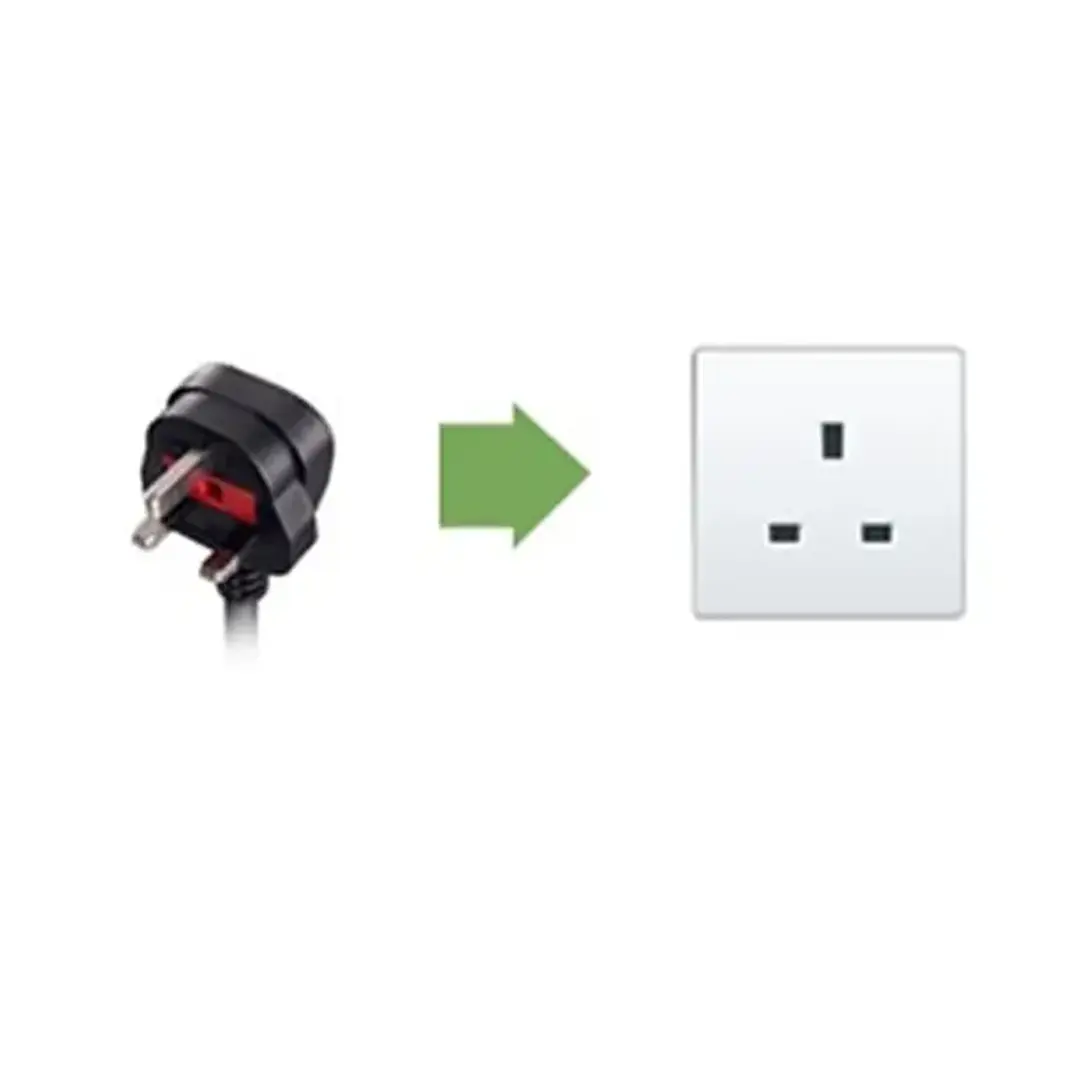
The 3-pin charger is designed for plugging into a 13A 3-pin socket. The 10A setting represents the maximum current an EV should draw from a 13A socket. Drawing more than 10A is not recommended due to the increased risk of the socket and plug overheating.

When using a 13A socket for prolonged EV charging (charging for more than 4 hours), the lower 6A and 8A settings are available, minimising the heat impact on the mains socket. This is important for 13A sockets without a dedicated circuit connection. Or when a qualified electrician has not certified the circuit and socket.

3-pin chargers sold in the UK are restricted to 10A for safety reasons. Charging at this current significantly diminishes the risk of the 13A socket overheating. Consequently, we will not offer for sale any 3-pin charger capable of charging at 13A due to the increased risk of damage it may cause to the 3-pin socket.
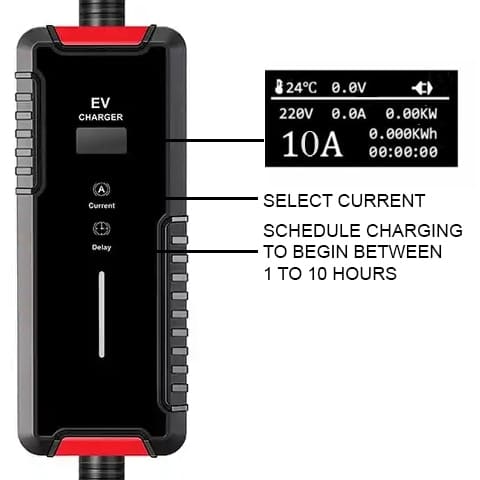
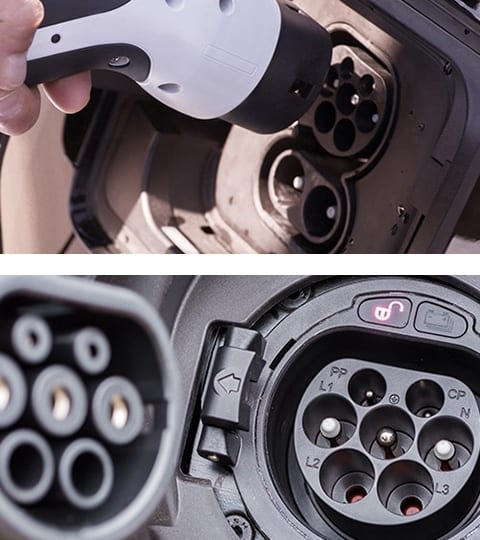
Photo shows the unit of the charger with LED display at 10A and 220V
The unit shows charging information and the buttons allow the optional selection of the current and scheduling of delayed charging.
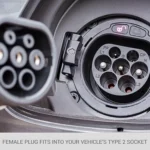
Picture showing a Type 2 EV socket and a CCS socket
9 hole Type 2 / CCS socket and a 7 hole Type 2 socket

Is This Type 2 To 3 Pin 10A Charger Suitable For My EV / PHEV?

Choosing The Right Charger

Charging an EV with a 13A socket may cause thermal damage if the socket overheats due to damaged or faulty wiring or if the electrical circuit is overloaded.

For this reason, we recommend having an electrician inspect the intended socket for EV charging to certify its suitability. This assessment should encompass factors such as the set current (6A, 8A, or 10A), charging duration (e.g., 4 hours at a time), and the frequency of EV charging (e.g., daily).

We understand that, at times, charging your EV with a socket certified by an electrician may not be feasible. In such instances, we recommend using the lower amp setting of 6A. It is also a good idea to ensure that both the plug and socket are not becoming excessively hot during the EV charging process.

Avoid using an extension lead or adapter with this 3 pin charger. Plug the charger directly into the socket. Ensure that water does not come into contact with the prongs of the 3-pin plug or enters inside the Type 2 plug. Keep the charger dry when not in use. Before usage, be sure to read the user booklet included with the charger.

To use this 3-pin charger, your EV must have a Type 2 socket. Refer to the photo of a Type 2 socket on this page and match it to your EV.

If you are still not sure, click the button below to find your EV/PHEV. This will enable you to verify if your vehicle is equipped with a Type 2 socket. Additionally, please review the information at the top of this page under “Please Read Before You Buy”. This information will help you to avoid the most common reasons for returning a 3-pin charging cable.

Compatible Vehicles

This Charger is Compatible with The Following Type 2 Socket Vehicles

If your EV is not in this list then please contact us or view the Type 2 socket images in the photo gallery to confirm that your vehicle is compatible.

Abarth

Abarth 500e

Aiways

Aiways U5, Aiways U6

Alpine

Alpine A290, Alpine A390

Alfa Romeo

Alfa Romeo Giulia, Alfa Romeo Junior Elettrica, Alfa Romeo Tonale

Audi

Audi A3 PHEV, Audi A5 PHEV, Audi A6 e-tron, Audi A6 PHEV, Audi A7 PHEV, Audi A8 PHEV, Audi Q3 PHEV, Audi Q5 PHEV, Audi Q7 PHEV, Audi Q8 PHEV, Audi e-tron Sportback, Audi e-tron GT, Audi Q4 e-tron, Audi Q6 e-tron, Audi Q7 e-tron, Audi Q8 e-tron, Audi RS e-tron, Audi SQ8 e-tron, Audi S6 e-tron, Audi SQ6 e-tron

Bentley

Bentley Continental, Bentley Bentayga, Bentley Flying Spur

BMW

BMW 225xe, BMW 320e, BMW 330e, BMW 520e, BMW 530e, BMW 745e, BMW i3, BMW i4, BMW i5, BMW i7, BMW i8, BMW iX, BMW iX1, BMW iX2, BMW iX3, BMW X1 xDrive25e, BMW X2 xDrive25e, BMW X3 xDrive25e, BMW X5 xDrive25e, BMW XM

BYD

BYD Atto 2, BYD Atto 3, BYD Dolphin, BYD Dolphin Surf, BYD Han, BYD Seagull, BYD Seal, BYD Sealion 7, BYD Tang

Chevrolet

Spark

Citroen

Citroen Berlingo (manufactured from 2021), Citroen C5 Aircross, Citroen C5 X, Citroen Dispatch, Citroen e-C3, Citroen e-C4, Citroen Spacetourer

Cupra

Cupra Born, Cupra Formentor, Cupra Leon, Cupra Raval, Cupra Tavascan, Cupra Terramar, Cupra Urban Rebel

Dacia

Dacia Spring

Dongfeng

Dongfeng Box

DS

DS 3 Crossback E-Tense, DS 4 E-Tense, DS 7 Crossback E-Tense, DS No 8, DS 9 E-Tense

Energica

Energica Eva EsseEsse9+

Fiat

Fiat 500e (manufactured from 2021), Fiat 600e, Fiat E-Ulysse, Fiat Grande Panda

Fisker

Fisker Ocean

Ford

Ford Capri, Ford F-150 Lightning, Ford Kuga PHEV, Ford Mustang MACH-E, Ford Puma, Ford Transit, Ford Tourneo

Genesis

Genesis GV60, Genesis GV70, Genesis GV80

GWM / ORA

GWM Ora 03, ORA Funky Cat

Harley Davidson

Harley Davidson Livewire

Honda

Honda CR-V e:PHEV, Honda e, Honda e:Ny1

Hyundai

Hyundai INSTER, Hyundai Ioniq, Hyundai Ioniq 5, Hyundai Ioniq 6, Hyundai Ioniq 9, Hyundai Kona, Hyundai Santa Fe Hybrid, Hyundai Tucson Hybrid

Jaecoo

Jaecoo 5, Jaecoo 7

Jaguar

Jaguar E-Pace, Jaguar F-Pace, Jaguar I-Pace

Jeep

Jeep Avenger, Jeep Compass, Jeep Compass Electric, Jeep Recon EV, Jeep Grand Cherokee, Jeep Recon, Jeep Renegade, Jeep Wrangler

KGM

KGM Korando, KGM Torres

Kia

Kia EV3, Kia EV4, Kia EV6, Kia EV9, Kia Ceed, Kia Optima, Kia eNiro, Kia Niro, Kia Sorento, Kia Soul (manufactured from 2020), Kia Sportage, Kia Xceed

Land Rover

Land Rover Defender, Land Rover Discovery, All Range Rover Models

Leapmotor

Leapmotor B10, Leapmotor C10, Leapmotor T03

LEVC

LEVC TX, LEVC TX5, LEVC LCV, LEVC VN5

Lexus

Lexus NX, Lexus RX, Lexus RZ, Lexus UX

Lucid

Lucid Air

Lync & Co

Lync & Co 02

Mahindra

Mahindra e20, Mahindra eVerito

MAN

MAN eTGE

Maxus

Maxus eDeliver 3, Maxus eDeliver 7, Maxus eDeliver 9, Maxus MIFA 9, Maxus T90EV

Mazda

Mazda MX-30, Mazda CX-60, Mazda CX-80, Mazda CX-90

Mercedes

Mercedes A 250e, Mercedes B Class E-Cell, Mercedes CLA, Mercedes C 300e, Mercedes C 300de, Mercedes C 350de, Mercedes C 350e, Mercedes E 300de, Mercedes E 300e, Mercedes E 350de, Mercedes E 350e, Mercedes EQA, Mercedes EQB, Mercedes EQC, Mercedes EQE, Mercedes EQS, Mercedes EQV, Mercedes G 580, Mercedes GLA, Mercedes GLC, Mercedes GLC 400, Mercedes GLE, Mercedes GLS, Mercedes S 450e, Mercedes S 500, Mercedes S 560, Mercedes S580e, Mercedes SLS 500, Mercedes Sprinter Van, Mercedes Vito Van

MG

MG4, MG5, MG HS, MG Cyberster G, MG IM5, MG IM6, MG Marvel R, MG S5, MG ZS

Mini

Mini Aceman, Mini Countryman, Mini Countryman Electric, Mini Cooper, Mini Electric

Mitsubishi

Mitsubishi Eclipse

Nio

Nio ET5, Nio EL6, Nio EL7, Nio ET7

Nissan

Nissan Ariya, Nissan Interstar, Nissan Leaf (Leaf manufactured from 2018), Nissan Leaf 2025+, Nissan Micra, Nissan Townstar

Omoda

Omoda E5, Omoda 7, Omoda 9

Ora

Ora Funky Cat

Peugeot

Peugeot 308, Peugeot 3008, Peugeot 408, Peugeot 508, Peugeot e-208, Peugeot e-2008, Peugeot e-3008, Peugeot 5008, Peugeot e-5008, Peugeot e-Expert, Peugeot e-Rifter, Peugeot Partner (manufactured from 2022), Peugeot e-Traveller

Polestar

Polestar 1, Polestar 2, Polestar 3, Polestar 4

Porsche

Porsche 918 Spyder, Porsche Cayenne Hybrid, Porsche Macan, Porsche Panamera Hybrid, Porsche Taycan

Range Rover / Land Rover

Range Rover Electric, Range Rover Evoque, Range Rover P300, Range Rover Sport, Range Rover Velar, All Land Rover models

Renault

Renault 4 E-tech, Renault 5 E-tech, Renault Captur, Renault Clio E-tech, Renault Kangoo (Type 2 Socket), Renault Kangoo ZE (Type 2 Socket), Renault Master van, Renault Megane, Renault R4, Renault R5, Renault Rafale E-Tech PHEV, Renault Scenic, Renault Zoe (All models manufactured from 2012)

Seat

Seat el-Born, Seat Leon, Seat Minimo, Seat Mii electric, Seat Tarraco

Skoda

Skoda Citigo, Skoda Elroq, Skoda Enyaq, Skoda Kodiaq, Skoda Octavia, Skoda Superb, Skoda Vision

Smart

Smart #1, Smart #3, Smart Cabrio, Smart forfour, Smart fortwo

SsangYong

SsangYong Korando e-Motion

Subaru

Subaru Solterra

Suzuki

Suzuki Across, Suzuki e VITARA

Tesla

Tesla Model 3, Tesla Model S, Tesla Model X, Tesla Model Y

Toyota

Toyota bZ4X, Toyota C-HR PHEV, Toyota Prius (Toyota Prius manufactured from 2017), Toyota Proace, Toyota RAV4

Vauxhall

Vauxhall Ampera e (manufactured from 2019), Vauxhall Astra e, Vauxhall Astra Hybrid, Vauxhall Combo e, Vauxhall Corsa e, Vauxhall Frontera, Vauxhall Grandland, Vauxhall Grandland X, Vauxhall Movano e, Vauxhall Mokka e, Vauxhall Vivaro e, Vauxhall Zafira e

Vinfast

Vinfast VF 6, Vinfast VF 8

Volvo

Volvo C30, Volvo C40, Volvo EC40, Volvo ES90, Volvo EX30, Volvo EX40, Volvo EX90, Volvo S60, Volvo S90, Volvo V60, Volvo V90, Volvo XC40, Volvo XC40 recharge, Volvo XC60, Volvo XC60 recharge, Volvo XC90

VW

VW Arteon eHybrid, VW e-Golf, VW e-Transporter, VW e-Up, VW Golf eHybrid, VW Golf GTE, VW ID2, VW ID3, VW ID4, VW ID5, VW ID7, VW ID Buzz, VW Multivan, VW Passat eHybrid, VW Passat GTE, VW Tiguan eHybrid, VW Tayron, VW Touareg

Xpeng

Xpeng G6, Xpeng G9, Xpeng P7

Zeekr

Zeekr 001, Zeekr X

Technical Data

Charging cable type 3-pin (Type G) 13A socket to Type 2 (IEC 62196-2) connectors
Lengths available 5 Metres, 8 Metres, 10 Metres, 15 Metres
Rated current 6A, 8A, 10A
Certification CE, UKCA, TUV tested
Cable from control box to power outlet TPE 3×2.5+2×0.5mm. Length including plug: 90cm
Cable to Type 2 vehicle plug TPU 3×2.5+1×0.5mm
Control box dimensions 235mm (H) x 105mm (W) x 65mm (D)
IP grade Control box: IP65 / IP67. Plugs when connected to sockets: IP55
Operating voltage 220V-240V AC
Leakage protection AC leakage 30mA. DC leakage 6mA
Working temperature -30°C to 50°C
Flame retardant UL94 V-0
Insulation resistance 10MΩ
Altitude -≤2000m

Your Questions Answered

Can I use this charger every day?

Yes. Most customers use it for overnight charging or as a backup, but your socket must be certified for regular charging by an electrician. Customers generally use this charger for overnight charging, top-up charging or as a backup for going on holiday or visiting family and friends


Is it safe to charge my vehicle from a 13A mains socket?

Yes — as long as the socket is in good condition it is safe to charge your EV with this charger. The charger also includes in-built safety mechanisms and is certified to comply with the IEC 627572 standard for Mode 2 charging whereby the vehicle is connected to a 13A socket certified for EV charging.


Can I use this charger overnight?

If the 13A socket and wiring in your circuit is in good condition, then you can charge your vehicle for long hours with this charger. The charger automatically regulates the temperature of the control box and shuts off if needed. There is also an optional sensor in the plug that acts as an emergency cut off if the plug becomes too hot. If the 13A socket is very hot after a few hours of charging, this will indicate underlying problems that will need to be rectified by an electrician.


Is the charger waterproof?

This charger consists of four main components: the 3-pin plug, the cable, the control box (unit), and the Type 2 plug. Each of these components has different levels of water resistance.

3-Pin Plug: The plug should be safe from water if you are plugging it into an indoor socket. If you are using an outdoor socket, the 3-pin plug needs to be protected and you should therefore use a weatherproof socket with at least IP66 protection.

Cable: The cable is fully waterproof as long as there are no cuts or tears in the cable sheath.

Control Box: The standard control box is IP65-rated. This rating means that the control box can withstand light rain. If you are placing the control box outside, you can select the option to upgrade to the IP67-rated control box. This rating means that the control box is fully waterproof and can be left outside in any weather.

Type 2 Plug: The Type 2 plug is built with an outer shell that is designed to withstand rain and snow when connected to the vehicle socket. The vehicle socket is also designed to be watertight and should therefore provide protection from water ingress when the Type 2 plug is connected. A common way for water to enter the Type 2 plug is when the plug cap is replaced after charging. The plug cap must always be replaced after charging your vehicle, but do ensure that the inside of the plug cap is dry. Avoid leaving the plug lying around outside, do not drag or drop the Type 2 plug on the ground and store the charger in a dry place when not in use.


What do the IP ratings mean?

In order to understand the waterproof protection for this charger, it is useful to explain what the IP ratings mean.

The IP rating consists of 2 numbers. The first number signifies resistance to dust. The second number signifies resistance to water. The higher the number, the higher the resistance.

The table below is the technical definition of what each number means in terms of dust and water resistance.

In terms of this charger, a rating of 6 means that this charger is dust proof. A water resistance of 5 means that the charger has been tested and certified to withstand light rain. A water resistance of 7 means that the charger is able to withstand heavy rain and snow.

An IP67 enclosure is therefore recommended if the control box is placed outdoors because it is protected against all types of weather and will avoid any electrical damage that can be caused if water enters the control box.

Digit Solids Liquids
0 No protection No protection
1 Objects >50mm Vertical dripping water
2 Objects >12.5mm Dripping water (15° tilt)
3 Objects >2.5mm Spraying water (60° angle)
4 Objects >1mm Splashing water (any direction)
5 Dust-protected Low-pressure water jets
6 Dust-tight Powerful water jets
7 N/A Temporary immersion (up to 1m)
8 N/A Continuous immersion (>1m)
9K N/A High-pressure/temp steam jets

What are the charging speeds of this 3-pin charger?

The approximate charging speeds for charging from 6A to 10A are displayed below:

Current Range per hour
6A / 1.4 kW 2 to 5 miles
8A / 1.8 kW 4 to 7 miles
10A / 2.3 kW 6 to 9 miles

Charging speeds are influenced by the health and efficiency of the vehicle’s battery, weather temperature, voltage of the power supply and condition of the power socket and plug


Why does variable amperage matter?

Adjustable amperage allows you to reduce the current that is drawn from a power outlet. This flexibility is one of the biggest advantages over fixed‑rate chargers that only charge at one setting and significantly prevents a socket from overheating in circumstances where there is overloading of an electrical circuit or where a socket may be damaged by wear and tear. The charger will power up with the last amp setting that was selected. Reducing the current is also beneficial for situations whereby:

  • The country where you are charging advises a safe charging limit, for example 10A in the UK.
  • The vehicle manual advises using a lower current when charging from a household socket.
  • PV / Solar panel systems require a maximum charging rate of 6A or 8A.
  • Properties with older wiring can only withstand lower currents.
  • Charging at higher currents trip the fuses.
  • Charging from static caravans, garages, outbuildings or any place where you are not certain if the wiring will withstand high loads.

Will the delay timer setting on the charger conflict with the vehicle's scheduled charging settings?

The scheduled charging function of your vehicle can be used independently to initiate and terminate the charging. The scheduled charging function needs to be set first; then the charger plugged in (ensure that the delay timer on the charger is not set); set the current; then insert the Type 2 plug into the Type 2 socket of the vehicle. Ensure that scheduled charging is only set via the infotainment console in the car or the vehicle app. Using both the timer delay and the vehicle’s schedule charging setting can cause a conflict.


My vehicle model is not listed. Is it still compatible with this charger?

If your vehicle has a CCS socket or Type 2 socket, then this charger is fully compatible with your vehicle. Please read the information in the product details to see a photo of what a CCS or Type 2 socket looks like.

2 reviews for Type 2 to 3 Pin Charger. Adjustable 6A 8A 10A Current For Charging Your EV With A 13A Socket

  1. b. r. (verified customer)

    Speedy delivery. Has a handy cable bag to keep it safe in the boot. Used it a few times for charging a VW ID4 and no problems so far.

  2. Doug Edworthy (verified customer)

    Good product, good service.

Only logged in customers who have purchased this product may leave a review.